- For appointment - Urapakkam (+91) 97906 97907 |
- For appointment - Thiruvallur (+91) 9789333005
Squint Eye Treatment in Thiruvallur | Eye Squint Surgeon in Tiruvallur
Squint eye treatment in Thiruvallur focuses on identifying the reason for abnormal eye alignment and choosing appropriate treatment based on the type of squint, the patient's age, vision and eye movements.
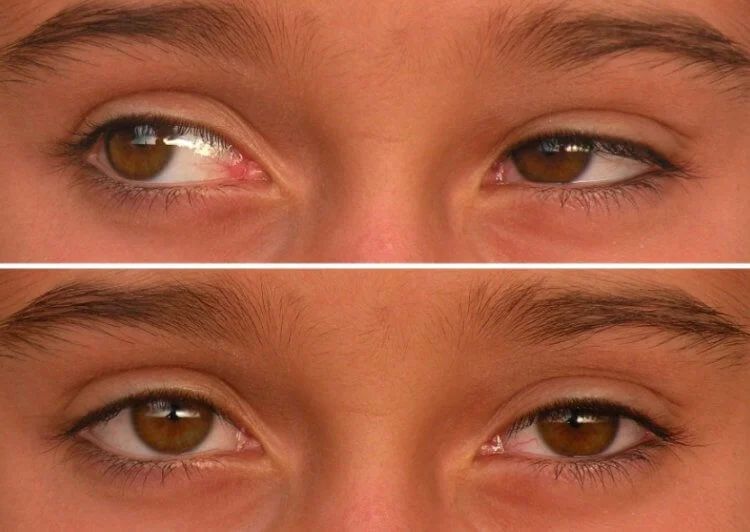
A squint, medically known as strabismus, occurs when the two eyes are not properly aligned and do not consistently point in the same direction.
One eye may turn:
- Inward
- Outward
- Upward
- Downward
The deviation may be present all the time or may occur only under certain conditions.
Squint can occur in children as well as adults, and the causes and treatment approaches can differ between them.
What Is a Squint Eye?
A squint is an eye-alignment problem in which the eyes do not work together in the expected alignment.
For example, one eye may look straight ahead while the other eye turns inward or outward.
The deviation may be:
- Constant
- Intermittent
- More noticeable when the person is tired
- More noticeable when looking at particular distances
The appearance of a squint can vary considerably between individuals, which is why a detailed eye examination is important.
What Is Strabismus?
Strabismus is the medical term for misalignment of the eyes.
The condition can affect:
- Eye alignment
- Binocular vision
- Depth perception
- Visual development in children
In children, certain forms of strabismus can interfere with the normal development of vision in one eye and may contribute to amblyopia.
In adults, a newly developed squint can sometimes be associated with an underlying eye, nerve or general medical problem and should therefore be evaluated.
Types of Squint
Esotropia
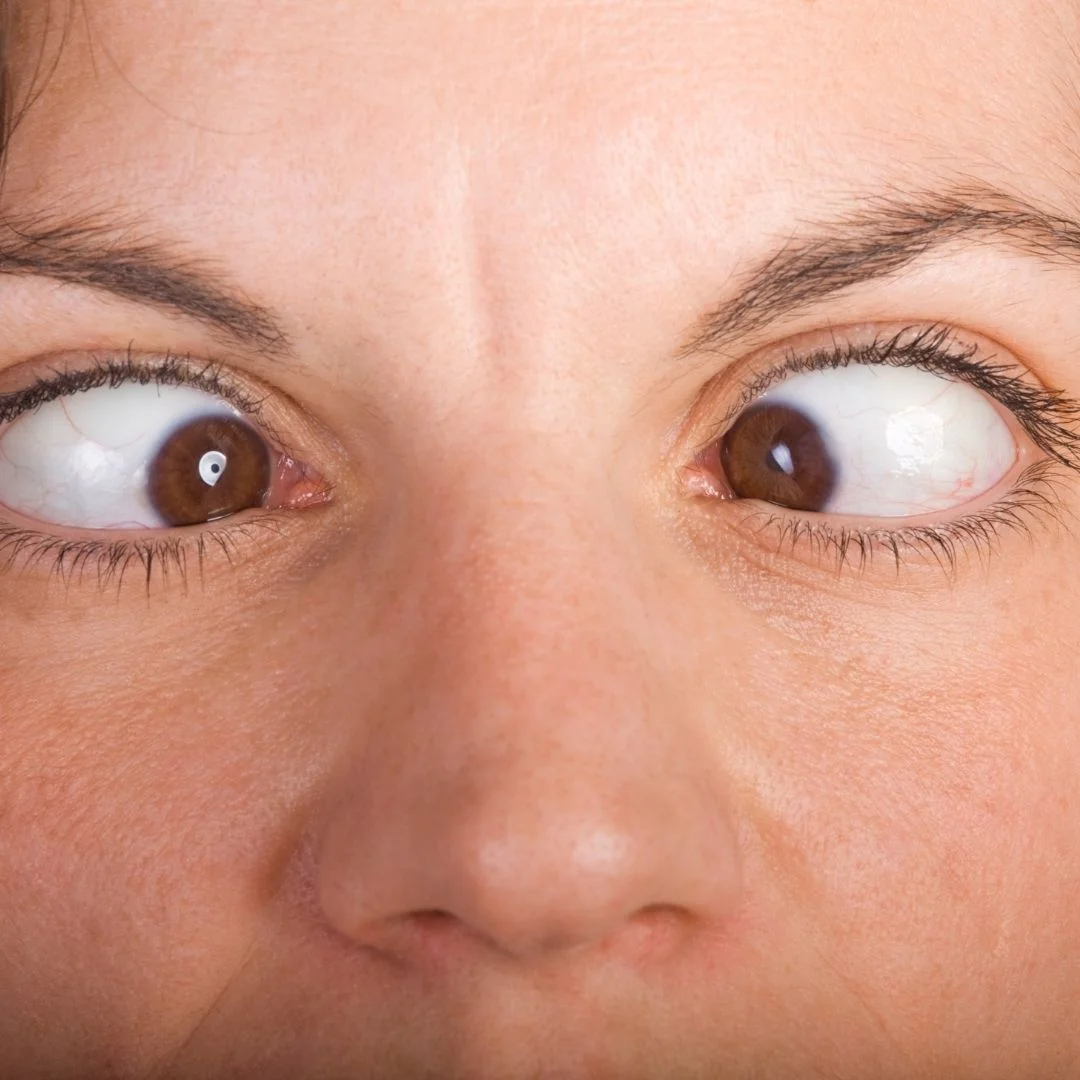
Esotropia occurs when one or both eyes turn inward. It may be seen in children or adults and can have different causes.
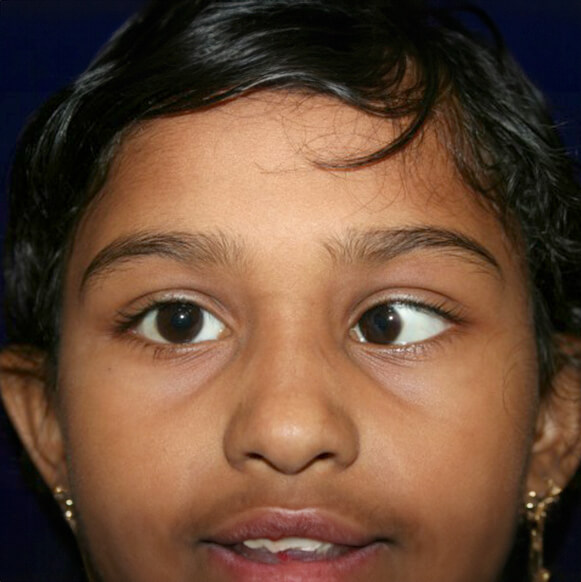
Exotropia
Exotropia occurs when one eye or both eyes turn outward. The outward deviation may be constant or intermittent. Some people notice that the eye turns outward more when they are tired or looking into the distance.
Hypertropia
Hypertropia occurs when one eye is positioned higher than the other. Vertical deviations can have several possible causes and require appropriate assessment.
Intermittent Squint
Some patients have an eye deviation that occurs only at certain times.
The eyes may appear aligned under some circumstances and become misaligned at other times.
Parents may notice this in children when they are:
- Tired
- Unwell
- Looking into bright sunlight
- Looking at distant objects
What Causes Squint?
There is no single cause of squint.
- Refractive errors
- Abnormal development of binocular vision
- Problems affecting eye movement
- Childhood eye conditions
- Previous eye surgery or injury
- Neurological conditions
- Certain medical conditions
- Changes affecting the eye muscles or nerves
In some cases, the exact cause may not be immediately apparent.
A comprehensive assessment helps determine the likely cause and appropriate treatment.
Squint in Children
Children are commonly evaluated for squint because eye alignment is closely related to visual development.
A child with a squint may:
- Have one eye that turns inward or outward
- Tilt the head
- Close one eye in bright sunlight
- Have difficulty with depth perception
- Have reduced vision in one eye
However, some children with squint may show very few obvious symptoms.
Parents should therefore seek assessment if they notice persistent or intermittent eye misalignment.
Why Should Childhood Squint Be Evaluated Early?
A persistent squint can affect how the brain receives and processes visual information from the two eyes.
In some children, this can contribute to amblyopia or lazy eye.
Early assessment allows the ophthalmologist to determine:
- Whether the child has reduced vision in either eye
- Whether there is a refractive error
- How well the eyes work together
- Whether treatment is required
The appropriate timing of treatment depends on the individual condition.
Squint in Adults
A squint can also occur in adulthood.
Some adults have had a squint since childhood, while others develop an eye deviation later in life.
Adult-onset squint can sometimes be associated with:
- Eye muscle disorders
- Nerve problems
- Thyroid-related eye disease
- Diabetes or other medical conditions
- Previous trauma
- Previous eye surgery
- Other neurological or systemic conditions
A new squint in an adult should be medically evaluated, particularly when it develops suddenly or is associated with double vision.
Can Squint Cause Double Vision?
Yes.
Adults who develop a new eye misalignment may experience double vision, because the two eyes are no longer pointing in a coordinated direction.
Double vision may occur:
- Constantly
- Intermittently
- At distance
- At near
- In particular directions of gaze
The cause of new double vision should be assessed rather than simply treating the visible eye deviation.
Squint and Head Position
Some people with eye misalignment naturally adopt an unusual head position.
They may:
- Tilt the head
- Turn the face to one side
- Raise or lower the chin
This may help them achieve a more comfortable visual position.
A persistent abnormal head posture in a child can be one reason to consider a squint evaluation.
Squint and Vision
A squint does not always mean that the affected eye has poor vision.
Some patients have normal visual acuity in both eyes but have an alignment problem.
In other cases, a squint may be associated with reduced vision in one eye.
The ophthalmologist therefore needs to assess both:
Eye alignment + Vision in each eye
rather than judging the severity of the condition from appearance alone.
Squint and Amblyopia
Amblyopia, commonly known as lazy eye, can develop when one eye does not receive or use a clear visual image during the important period of visual development.
Squint is one possible cause of amblyopia.
A child with amblyopia may not complain because the stronger eye can compensate for the weaker eye.
Treatment may involve:
- Correcting refractive error
- Spectacles
- Patching
- Prescribed eye drops in selected cases
- Treatment of the underlying eye condition
The appropriate approach depends on the child's age and the cause of reduced vision.
Can Spectacles Treat Squint?
In some cases, spectacles can improve eye alignment.
This is particularly relevant when the squint is associated with a significant refractive error.
The ophthalmologist may prescribe glasses to correct the underlying optical problem and then reassess alignment.
However, spectacles do not correct every type of squint.
Some patients may require additional treatment.
Squint Evaluation in Thiruvallur
A squint assessment is more than simply checking whether the eyes appear straight.
The examination may include:
- Vision testing in each eye
- Refraction
- Eye alignment assessment
- Eye movement examination
- Assessment of binocular vision
- Evaluation of head posture
- Examination of the eyes
- Additional investigations when clinically indicated
The exact assessment depends on the patient's age and symptoms.
Why Is Refraction Important in Squint Assessment?
A refractive error can influence how the eyes focus and align.
The ophthalmologist may therefore check for:
- Myopia
- Hyperopia
- Astigmatism
- Differences in power between the two eyes
Correcting the refractive error can sometimes improve alignment or provide important information about the remaining deviation.
Does Every Squint Require Surgery?
No.
Squint surgery is only one possible treatment.
Depending on the type and cause of the deviation, treatment may include:
- Observation
- Spectacles
- Amblyopia treatment
- Prisms in selected cases
- Other non-surgical approaches
- Squint surgery when appropriate
The decision should be based on a detailed assessment rather than the appearance of the eyes alone.
Squint Eye Surgery in Thiruvallur
Squint eye surgery in Thiruvallur may be considered when surgery is clinically appropriate to improve eye alignment.
Squint surgery generally involves adjusting the position or function of selected eye muscles to change the alignment of the eyes.
The number of muscles treated and the surgical approach depend on:
- Type of squint
- Direction of deviation
- Amount of misalignment
- Eye movement findings
- Previous treatment
- Patient age
Surgery does not follow the same plan for every patient.
What Is the Goal of Squint Surgery?
The primary goal is to improve eye alignment.
Depending on the individual case, surgery may also contribute to:
- Improving binocular function
- Reducing an abnormal head posture
- Improving the appearance of eye alignment
- Reducing certain forms of double vision
The expected outcome varies according to the cause and type of strabismus.
Patients should discuss realistic expectations with the treating ophthalmologist before surgery.
Squint Treatment for Children and Adults
Treatment planning differs between age groups.
Children
Treatment may focus strongly on:
- Visual development
- Amblyopia
- Refractive correction
- Eye alignment
- Binocular vision
Adults
Treatment may focus on:
- Eye alignment
- Double vision
- Visual comfort
- Abnormal head posture
- Underlying medical causes
- Functional and cosmetic concerns
A newly developed adult squint requires particular attention to identifying a possible underlying cause.
Squint Eye Treatment in Thiruvallur at Deepam Eye Hospital
Patients searching for squint eye treatment in Thiruvallur, squint eye surgery in Thiruvallur,strabismus treatment in Thiruvallur or squint specialist in Thiruvallur can seek an ophthalmic assessment to determine the type and cause of eye misalignment.A detailed assessment can help determine whether the patient may benefit from spectacles, monitoring, amblyopia management, other non-surgical measures or squint surgery.
How Is Squint Diagnosed?
A squint diagnosis requires more than looking at whether the eyes appear straight.
The ophthalmologist may assess:
- Vision in each eye
- Eye alignment
- Eye movements
- Refractive error
- Binocular vision
- Depth perception
- Head position
- Pattern and size of the deviation
The examination may differ between children and adults because the goals of assessment are not always the same.
Measuring Eye Alignment
The amount and direction of eye deviation can vary from one person to another.
During the assessment, the ophthalmologist may determine:
- Which eye is deviating
- Whether the deviation is inward, outward or vertical
- Whether the deviation is constant or intermittent
- Whether the deviation changes with distance or near viewing
- How the eyes move together
These findings help determine the appropriate treatment approach.
Why Is Refraction Checked During Squint Evaluation?
Refractive errors can influence eye alignment and visual development.
The examination may identify:
- Myopia
- Hyperopia
- Astigmatism
- Unequal power between the eyes
In some children, correcting the refractive error with spectacles may improve the eye alignment.
For this reason, a spectacle prescription may be an important part of squint management.
Squint Treatment Without Surgery
Surgery is not automatically required for every patient with strabismus.
- Observation
- Spectacles
- Amblyopia treatment
- Prisms in selected cases
- Treatment of an underlying eye condition
- Other specialist-directed measures
The treatment plan depends on the type of squint and the patient's visual requirements.
When Can Glasses Help?
Spectacles may help when refractive error contributes to the eye misalignment.
Correcting the prescription can:
- Improve clarity of vision
- Reduce focusing effort
- Improve alignment in selected forms of squint
- Support visual development in children
After spectacles are prescribed, the alignment may be reassessed to determine whether further treatment is necessary.
What Are Prism Lenses?
Prism lenses alter the path of light entering the eye and can sometimes help manage double vision caused by eye misalignment.
They may be considered particularly in selected adults with:
- Double vision
- Small-angle deviations
- Specific forms of binocular vision difficulty
Prisms are not appropriate for every type of squint.
The decision depends on the size and characteristics of the deviation and the patient's symptoms.
Amblyopia Treatment Alongside Squint Care
When a child with squint also has amblyopia, the reduced vision may need to be treated as part of the overall management plan.
Treatment may involve:
Spectacles
Correcting the child's refractive error can provide a clearer image to the weaker eye.
Eye Patching
In selected cases, the stronger eye may be covered for a prescribed period to encourage use of the weaker eye.
Prescribed Eye Drops
Certain children may be treated with medication that temporarily reduces the stronger eye's visual advantage.
Treatment of the Underlying Condition
If another eye problem contributes to reduced vision, that condition may need to be addressed.
Why Should Amblyopia Be Treated Before or Alongside Squint Surgery?
Squint surgery primarily addresses eye alignment.
Amblyopia is a problem of visual development and may require separate treatment.
Therefore, improving the vision of the weaker eye may be an important part of the overall treatment plan.
The sequence and combination of treatments depend on the child's individual condition.
When Is Squint Surgery Considered?
Squint surgery may be considered when:
- Significant eye misalignment remains
- Non-surgical treatment does not adequately correct the deviation
- The deviation affects binocular function
- An abnormal head posture is present
- Double vision is associated with the misalignment
- Surgical correction is appropriate for the patient's circumstances
The decision is made after assessing the type and degree of deviation.
What Happens During Squint Eye Surgery?
Squint surgery involves operating on selected eye muscles to alter their position or effect on the eye.
The surgeon may:
- Strengthen the action of a muscle
- Weaken the action of a muscle
- Adjust the position of a muscle
- Treat one or more muscles depending on the deviation
The exact surgical plan varies according to the patient's alignment measurements.
Is Squint Surgery the Same for Every Patient?
No.
- Type of squint
- Direction of deviation
- Amount of deviation
- Eye movement findings
- Previous squint surgery
- Age
- Vision in each eye
- Other eye conditions
A child undergoing squint surgery may therefore have a different surgical plan from an adult with a newly developed eye deviation.
Preparing for Squint Eye Surgery
Before surgery, the ophthalmologist reviews the patient's clinical findings and confirms the surgical plan.
Patients may be advised about:
- Pre-operative instructions
- Medications
- Food and drink restrictions when applicable
- Arrangements for returning home
- Post-operative eye care
- Follow-up appointments
Parents should inform the medical team about any medicines or relevant medical conditions affecting the child.
Squint Surgery in Children
Children undergoing squint surgery require age-appropriate preparation and care.
Parents can help by:
- Explaining the hospital visit in simple language
- Bringing familiar comfort items when appropriate
- Following pre-operative instructions carefully
- Giving prescribed medicines as instructed
- Attending scheduled follow-up appointments
The surgical approach and anaesthesia plan depend on the child's age and clinical circumstances.
Squint Surgery in Adults
Adults may seek treatment for several reasons, including:
- Persistent eye misalignment
- Double vision
- Difficulty with binocular vision
- Abnormal head posture
- Appearance of the eyes
When an adult develops a squint for the first time, identifying the underlying cause is particularly important before proceeding with treatment.
Recovery After Squint Eye Surgery
After surgery, the eyes may appear:
- Red
- Irritated
- Watery
- Mildly swollen
Some patients may experience temporary discomfort or a gritty sensation.
The appearance of the eyes generally changes during the healing period.
Recovery varies between patients and depends on the type of procedure performed.
Eye Care After Squint Surgery
Post-operative instructions may include:
- Using prescribed eye drops
- Keeping the eyes clean
- Avoiding unnecessary eye rubbing
- Following activity restrictions
- Attending scheduled follow-up visits
Parents should supervise younger children during the early recovery period to help prevent accidental rubbing or injury.
Can the Eyes Remain Red After Squint Surgery?
Yes.
Redness of the white part of the eye can persist for some time after surgery.
The duration varies according to:
- Individual healing
- Number of muscles treated
- Surgical technique
- Patient age
The ophthalmologist can explain what degree of redness is expected during the recovery period.
Can Squint Return After Surgery?
Yes, recurrence or residual misalignment can occur in some patients.
Squint surgery aims to improve alignment, but the eyes can change over time.
Some patients may have:
- Residual deviation
- Recurrence of the squint
- Changes in alignment
- A need for further assessment
This does not mean that every patient will require another surgery.
Is More Than One Squint Surgery Possible?
In selected cases, additional surgery may be considered if significant misalignment remains or returns.
The decision requires reassessment of:
- Current eye alignment
- Eye movements
- Previous surgical history
- Vision
- Binocular function
Further surgery should only be considered after an appropriate evaluation.
Follow-Up After Squint Treatment
Follow-up allows the ophthalmologist to assess:
- Eye alignment
- Vision
- Healing
- Eye movements
- Binocular function
- Response to treatment
Children undergoing amblyopia treatment may also require regular monitoring of vision in each eye.
When Should You Contact the Doctor After Squint Surgery?
Patients or parents should seek medical advice if they notice:
- Severe or increasing pain
- Sudden reduction in vision
- Increasing swelling
- Significant discharge
- Marked worsening of redness
- New or worsening double vision
- Any concerning change after surgery
Unexpected or worsening symptoms should not simply be assumed to be part of normal recovery.
Squint Treatment for Different Age Groups
| Age Group | Common Concern | Assessment Focus | Possible Management |
|---|---|---|---|
| Infants | Abnormal eye alignment or unusual eye movements | Eye alignment, visual response and eye health | Observation or condition-specific treatment |
| Preschool Children | Squint, refractive error or unequal vision | Vision, refraction and alignment | Spectacles, amblyopia treatment or further management |
| School-Age Children | Persistent or intermittent squint | Vision, alignment and binocular function | Spectacles, amblyopia management or surgery when indicated |
| Adults | Long-standing or newly developed squint | Alignment, double vision and underlying causes | Prisms, treatment of underlying condition or surgery when appropriate |
Squint Treatment in Thiruvallur
Patients looking for squint eye treatment in Thiruvallur,squint eye surgery in Thiruvallur, strabismus treatment in Thiruvallur or squint treatment for children in Thiruvallur can undergo an ophthalmic evaluation to understand the cause and extent of the eye misalignment.
At Deepam Eye Hospital, Thiruvallur, patients can discuss concerns related to:
- Childhood squint
- Adult squint
- Eye alignment
- Double vision
- Amblyopia associated with squint
- Refractive errors
- Surgical and non-surgical treatment options
Choosing the Right Squint Treatment
There is no single treatment that is suitable for every type of squint.
The treatment plan depends on:
- Age of the patient
- Type and direction of squint
- Degree of eye deviation
- Vision in each eye
- Refractive error
- Presence of amblyopia
- Double vision
- Eye movement
- Previous treatment
- Underlying medical conditions
A detailed assessment helps determine whether the patient is better suited for observation, spectacles, other non-surgical management or surgery.
Squint Treatment Options Compared
| Treatment Option | When It May Be Considered | Main Purpose | Is Surgery Required? |
|---|---|---|---|
| Observation | Small, stable or selected intermittent deviations | Monitor alignment and vision | No |
| Spectacles | Squint associated with a correctable refractive error | Improve vision and potentially improve alignment | No |
| Amblyopia Treatment | Reduced vision in one eye during childhood | Encourage development and use of the weaker eye | No |
| Prism Glasses | Selected patients with double vision or small deviations | Help manage certain binocular vision problems | No |
| Squint Surgery | Persistent or significant misalignment when clinically appropriate | Improve eye alignment | Yes |
| Treatment of Underlying Cause | Squint associated with another eye or medical condition | Address the contributing condition | Depends on the cause |
The appropriate treatment is determined after an individual examination.
When Is Non-Surgical Squint Treatment Considered?
Non-surgical treatment may be appropriate when the eye deviation can be managed without surgery or when another problem needs to be addressed first.
Depending on the patient, this may involve:
- Corrective spectacles
- Amblyopia treatment
- Prism correction
- Observation
- Management of an underlying condition
For children, treating reduced vision may be an important part of the overall plan.
When Is Squint Surgery Considered?
Surgery may be considered when a significant eye deviation remains despite appropriate non-surgical management or when surgical correction is otherwise clinically appropriate.
It may be considered for:
- Persistent eye misalignment
- Significant cosmetic concerns
- Functional difficulties
- Abnormal head posture
- Certain forms of double vision
- Selected childhood squints
The decision is based on clinical findings rather than appearance alone.
What Should You Expect From Squint Surgery?
Squint surgery is designed primarily to improve the alignment of the eyes by modifying the action or position of selected eye muscles.Depending on the
The surgical plan is individualised.
patient's measurements, the surgeon may operate on one or more eye muscles.
Patients should understand that:
- Perfect alignment cannot always be guaranteed
- Residual deviation can remain
- Alignment can change over time
- Further treatment may occasionally be required
The expected result should be discussed before surgery.
Is Squint Surgery Mainly Cosmetic?
Not always.
Improving the appearance of eye alignment can be an important reason for surgery, but squint treatment can also have functional goals.
Depending on the individual, treatment may aim to:
- Improve eye alignment
- Reduce abnormal head posture
- Improve binocular function
- Manage certain forms of double vision
- Address concerns related to the appearance of the eyes
The goals of treatment differ between children and adults.
Squint Treatment for Children
Children with squint require particular attention to visual development.
Treatment planning may involve:
Vision assessment
Refraction
Alignment assessment
Amblyopia management
when needed
Reassessment
Further treatment if required
The sequence varies according to the child's condition.
A child may need spectacles or amblyopia treatment even when surgery is eventually planned.
Squint Treatment for Adults
Adults may seek treatment because of:
- Newly developed squint
- Long-standing eye deviation
- Double vision
- Difficulty with binocular vision
- Abnormal head posture
- Cosmetic concerns
For a newly developed adult squint, identifying the underlying cause is particularly important.
Treatment should therefore begin with an appropriate ophthalmic evaluation.
Can Squint Treatment Improve Double Vision?
It can, depending on the cause of the double vision and the type of eye misalignment.
Some patients may benefit from:
- Prism glasses
- Treatment of the underlying condition
- Squint surgery
- Other specialist-directed measures
However, treatment cannot guarantee complete elimination of double vision in every case.
What Happens After Squint Surgery?
The early recovery period may involve:
- Redness
- Watering
- Mild irritation
- Temporary discomfort
- A gritty sensation
- Temporary changes in visual comfort
Patients should follow the post-operative instructions provided by the surgical team.
Children may require additional supervision to prevent eye rubbing or accidental injury during recovery.
How Long Does Squint Surgery Recovery Take?
Recovery varies from patient to patient.
The surface redness can take time to settle, while the final appearance of the eyes may continue to change as healing progresses.
The time required to resume specific activities depends on:
- Age
- Type of surgery
- Extent of treatment
- Healing response
- Instructions from the treating ophthalmologist
Patients should follow their individual post-operative advice rather than relying on a fixed recovery period.
Can Squint Treatment Be Needed Again?
In some patients, further treatment may be required.
This may happen because:
- A residual deviation remains
- The squint changes over time
- The original alignment changes as the child grows
- An adult's underlying condition changes
- Additional treatment becomes clinically appropriate
Regular follow-up allows the ophthalmologist to identify these changes.
What Should Parents Monitor After Squint Treatment?
Parents should observe whether the child:
- Wears prescribed glasses consistently
- Follows patching instructions when prescribed
- Attends follow-up appointments
- Continues to have an eye deviation
- Develops new visual complaints
- Shows changes in head posture
Any significant change should be discussed with the treating ophthalmologist.
When Should a New Squint Be Evaluated Urgently?
A newly developed squint, particularly in an adult, should not simply be treated as a cosmetic issue.
Prompt evaluation is important when eye misalignment is accompanied by:
- Sudden double vision
- Sudden reduction in vision
- Severe headache
- Eye pain
- New neurological symptoms
- Recent head or eye injury
The underlying cause should be identified before deciding on treatment.
Squint Eye Treatment in Thiruvallur at Deepam Eye Hospital
Patients searching for squint eye treatment in Thiruvallur, squint eye surgery in Thiruvallur, squint specialist in Thiruvallur, strabismus treatment in Thiruvallur or squint correction in Thiruvallur can begin with a detailed eye-alignment assessment.
At Deepam Eye Hospital, patients can discuss concerns related to:
- Childhood squint
- Adult squint
- Eye misalignment
- Double vision
- Amblyopia associated with squint
- Refractive errors
- Surgical and non-surgical treatment options
Dr. Vimala
Consultant Ophthalmologist
Dr. Vimala is a Consultant Ophthalmologist with interests in:
Areas of Interest
Patients with suspected squint can undergo an ophthalmic assessment to evaluate vision, refractive error and eye alignment.
Treatment decisions should be based on the individual examination findings and may involve observation, spectacles, amblyopia management, other non-surgical measures or surgery when clinically appropriate.
Squint Eye Treatment in Thiruvallur
What is squint eye treatment?
Squint treatment aims to manage abnormal eye alignment. Depending on the cause, treatment may include spectacles, amblyopia management, prisms, observation or squint surgery.
Where can I get squint eye treatment in Thiruvallur?
Patients looking for squint eye treatment in Thiruvallur can undergo an eye-alignment assessment at Deepam Eye Hospital.
What is squint eye surgery?
Squint eye surgery is a procedure that changes the position or action of selected eye muscles to improve the alignment of the eyes.
Does every squint require surgery?
No. Some cases can be managed with spectacles, amblyopia treatment, prisms or observation.
Can squint be treated with glasses?
In selected cases, correcting the refractive error with spectacles can improve eye alignment.
Can children have squint surgery?
Yes. Squint surgery can be considered for selected children when clinically appropriate.
Can adults undergo squint treatment?
Yes. Adults can be evaluated and treated for both long-standing and newly developed eye misalignment.
Can squint cause double vision?
Yes. Eye misalignment can cause double vision, particularly when a squint develops in adulthood.
Can squint come back after surgery?
Yes. Residual or recurrent misalignment can occur in some patients, and further assessment may sometimes be required.
Is squint surgery only for appearance?
No. Depending on the patient, treatment can also address functional concerns such as abnormal head posture, binocular vision difficulties or certain forms of double vision.
Frequently Asked Questions
A child can be evaluated whenever an abnormal eye alignment is noticed. The examination method is adapted according to the child's age and ability to cooperate.
Yes. Some children with squint may have relatively good vision in both eyes, while others may develop reduced vision in one eye.
Squint refers to eye misalignment, while lazy eye or amblyopia refers to reduced visual development in one or both eyes. They can occur together, but they are not the same condition.
In selected cases, correcting the refractive error can improve eye alignment. However, spectacles do not correct every type of squint.
No. Prisms are useful only in selected situations, particularly certain forms of double vision or small deviations.
The procedure is performed with appropriate anaesthesia. Some discomfort, redness or irritation can occur during recovery.
Redness can persist during the healing period, and the duration varies between individuals and procedures.
In selected cases, additional surgery may be considered if significant residual or recurrent misalignment remains.
Yes. A new squint can develop in adulthood and may sometimes be associated with an underlying eye, nerve or medical condition. New adult-onset squint should therefore be evaluated.
A noticeable or sudden change in eye alignment should be assessed by an ophthalmologist, particularly if it is accompanied by reduced vision, pain, double vision or other new symptoms.
Squint Eye Treatment in Thiruvallur — Schedule an Evaluation
Squint treatment should begin with understanding why the eyes are misaligned and how the condition is affecting vision.
Whether the patient is a child or adult, an appropriate examination can help determine whether spectacles, amblyopia management, prism correction, monitoring or surgery is the most suitable approach.
If you are looking for squint eye treatment in Thiruvallur or squint eye surgery in Thiruvallur, consult Deepam Eye Hospital for an individual assessment and treatment discussion.
Visit Deepam Eye Hospital, Thiruvallur, to discuss your eye-alignment concerns and available treatment options.
Contact UsMedical Disclaimer
This page is intended for general educational purposes and does not replace an individual ophthalmic examination. Squint can have different causes, and treatment varies according to the patient's age, eye alignment, vision and overall eye health. Surgery is not necessary for every patient, and outcomes can vary. A new or sudden squint, particularly when associated with double vision or other symptoms, should receive appropriate medical evaluation.
