- For appointment - Urapakkam (+91) 97906 97907 |
- For appointment - Thiruvallur (+91) 9789333005
Contact Lens Clinic in Thiruvallur
A contact lens clinic in Thiruvallur can help patients determine whether contact lenses are suitable for their eyes and identify an appropriate lens prescription and fitting based on their individual visual requirements.
Contact lenses provide an alternative to spectacles by placing the corrective lens directly on the eye. They can be useful for people who prefer an alternative to glasses for work, outdoor activities, sports or personal reasons.
However, choosing contact lenses is not simply a matter of matching the power of an existing pair of spectacles. Eye health, corneal shape, lens fit, prescription, wearing habits and lifestyle all need to be considered.
Deepam Eye Hospital's optical services include contact lenses and comprehensive fitting, with optometrists assessing visual requirements and helping patients select an appropriate contact lens option.
What Is a Contact Lens?
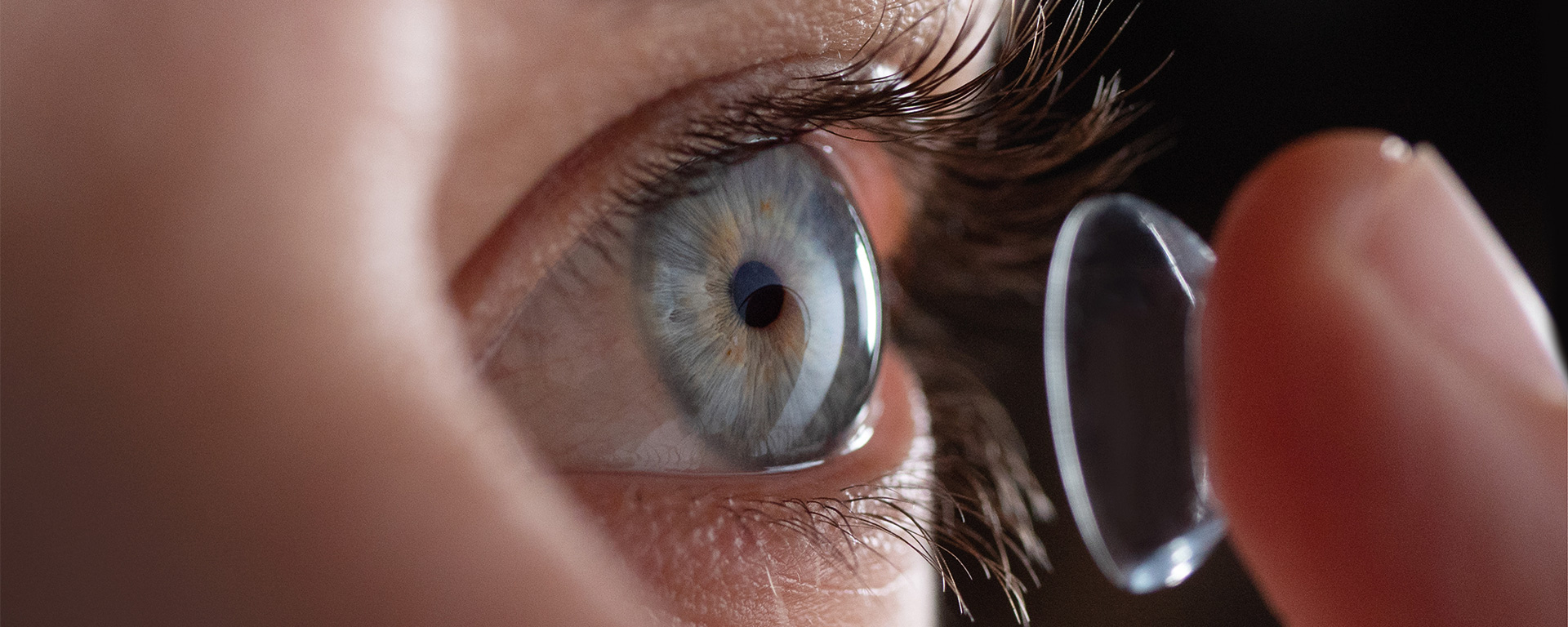
A contact lens is a vision-correction lens designed to sit directly on the surface of the eye.
Unlike spectacles, which hold corrective lenses in a frame in front of the eyes, contact lenses move with the eye during normal movement.
Depending on the type of lens and prescription, contact lenses can be used to correct refractive errors such as:
- Myopia
- Hyperopia
- Astigmatism
- Presbyopia
The appropriate lens depends on the patient's prescription and eye characteristics.
Why Do People Choose Contact Lenses?
People choose contact lenses for different reasons.
Some prefer them because they:
- Do not require a spectacle frame
- Provide a wider field of unobstructed vision
- Can be convenient during certain sports
- May suit particular occupational requirements
- Can be useful for special occasions
- Provide an alternative to wearing spectacles
Contact lenses are not automatically better than glasses. The suitable option depends on the individual's eyes, lifestyle and ability to follow lens-care instructions.
Who May Consider Contact Lenses?
People with suitable eye health and an appropriate prescription may be candidates for contact lens wear.
Contact lenses may be considered by:
- Adults who prefer an alternative to spectacles
- People who participate in sports
- Individuals with specific occupational needs /li>
- People who prefer contact lenses for cosmetic reasons
- Existing spectacle users who want an additional vision-correction option
Suitability should be determined through an eye examination and contact lens assessment.
Why Is a Contact Lens Examination Important?
A contact lens examination is more than checking whether a person can see clearly.
The assessment may consider:
- Visual acuity
- Refractive error
- Corneal characteristics
- Eye-surface health
- Tear-film condition
- Previous contact lens experience
- Wearing habits
- Lifestyle requirements
These factors help determine whether contact lenses are appropriate and what type of fitting may be required.
What Is a Contact Lens Prescription?
A contact lens prescription specifies the optical and fitting characteristics required for a particular contact lens wearer.
Depending on the lens type, it may include information such as:
- Lens power
- Base curve
- Diameter
- Cylinder
- Axis
- Addition
- Lens type or design
Not every contact lens prescription contains all of these parameters.
The prescription depends on the lens selected and the patient's eye characteristics.
Is a Contact Lens Prescription the Same as a Spectacle Prescription?
No. A contact lens prescription is not always identical to a spectacle prescription.
Spectacle lenses sit some distance in front of the eye, while contact lenses sit directly on the eye.
The optical power and fitting parameters may therefore differ, particularly at higher prescriptions.
A contact lens should be prescribed based on an appropriate contact lens assessment rather than simply copying the power written on an old pair of glasses.
Why Does Contact Lens Power Matter?
The lens needs to provide the appropriate optical correction while maintaining a suitable fit on the eye.
An incorrect prescription may result in:
- Blurred vision
- Difficulty focusing
- Eye strain
- Headache
- Reduced visual comfort
If vision remains unclear with contact lenses, the prescription and fit should be reassessed rather than increasing or changing the lens power without professional guidance.
What Is Contact Lens Fitting?
Contact lens fitting is the process of determining whether a particular contact lens sits appropriately on the eye and provides satisfactory vision and comfort.
A fitting may involve assessing:
- Lens movement
- Lens centration
- Comfort
- Vision
- Corneal characteristics
- Eye-surface response
The objective is to identify a lens that is appropriate for the patient's visual and ocular requirements.
Deepam Eye Hospital states that its optometrists provide comprehensive contact lens fitting as part of its optical services.
Why Does Lens Fit Matter?
A contact lens should move and sit appropriately on the eye.
An unsuitable fit may contribute to:
- Discomfort
- Excessive awareness of the lens
- Unstable vision
- Lens movement
- Redness
- Reduced wearing tolerance
The correct fitting approach depends on the lens material, design and individual eye.
What Is Checked During a Contact Lens Fitting?
Depending on the type of lens, the eye-care professional may assess:
- Visual clarity
- Lens position
- Lens movement
- Comfort
- Corneal health
- Tear-film condition
- Eye-surface response
For some patients, more than one lens option may need to be considered before a suitable fit is established.
What Are Soft Contact Lenses?
Soft contact lenses are flexible lenses designed to conform to the front surface of the eye.
They are widely used for different types of refractive correction.
Depending on the lens, they may be available in different replacement schedules.
The appropriate wearing and replacement schedule should always follow the specific lens prescription and professional instructions.
What Are Daily Disposable Contact Lenses?
Daily disposable lenses are designed to be worn for a single day and then discarded.
They can be convenient for people who prefer not to store and reuse lenses.
Potential advantages include:
- No overnight storage
- No repeated lens storage
- Fresh lens each day
- Convenient occasional use
Not every patient or prescription is necessarily suitable for this lens type.
What Are Reusable Contact Lenses?
Reusable lenses are designed to be worn according to a prescribed replacement schedule and require appropriate cleaning and storage.
Their safe use depends heavily on following:
- Cleaning instructions
- Storage requirements
- Wearing schedule
- Replacement schedule
- Hygiene practices
The exact care routine depends on the particular lens.
What Are Toric Contact Lenses?
Toric contact lenses are designed to correct astigmatism.
Unlike a basic spherical lens, toric lenses have different optical powers across different meridians.
Their performance can depend on appropriate positioning and stability on the eye.
Therefore, fitting is particularly important when prescribing toric lenses.
What Are Multifocal Contact Lenses?
Multifocal contact lenses are designed to provide vision correction for more than one viewing distance.
They may be considered for people who require correction for both distance and near vision.
The suitability of a multifocal lens depends on:
- Age
- Prescription
- Near-vision requirements
- Eye health
- Visual expectations
- Lifestyle
Some patients may require an adjustment period when beginning multifocal contact lenses.
Contact Lenses for Myopia
Myopic patients have difficulty seeing distant objects clearly.
Contact lenses can provide optical correction for myopia when the eyes are suitable for lens wear.
The appropriate lens power and design should be determined during the contact lens assessment.
Contact Lenses for Astigmatism
Astigmatism may require a specialised contact lens design.
Toric contact lenses can be considered for suitable patients.
Because the lens needs to maintain an appropriate orientation on the eye, fitting and follow-up are important.
Contact Lenses for Presbyopia
Presbyopia is an age-related reduction in the ability to focus on nearby objects.
Some people with presbyopia may consider multifocal contact lenses or other contact-lens approaches.
The most appropriate option depends on the individual's distance prescription, near requirements and visual expectations.
Contact Lenses for Sports and Active Lifestyles
Contact lenses may be convenient for selected sports because they do not have spectacle frames that can interfere with movement.
However, contact lenses are not a substitute for appropriate protective eyewear.
For activities involving impact or eye injury risk, suitable protective equipment should still be used.
Why Is Hand Hygiene Important Before Handling Contact Lenses?
Hands should be clean before inserting or removing contact lenses.
Proper hand hygiene reduces the transfer of contaminants to the lens and eye.
Before handling lenses:
- Wash your hands thoroughly.
- Rinse them appropriately.
- Dry them with a clean method.
- Handle the lens carefully.
Avoid handling lenses with dirty or wet hands contaminated with unsuitable substances.
Can You Sleep While Wearing Contact Lenses?
Contact lenses should not be worn overnight unless the specific lens has been prescribed and approved for that wearing schedule.
Sleeping in lenses that are not intended for overnight wear can increase the risk of eye complications.
Patients should follow the wearing schedule provided by their eye-care professional.
Can You Swim While Wearing Contact Lenses?
Contact lenses and water are not a safe combination in many situations.
Water can contain microorganisms and other contaminants that may become trapped between the lens and the eye.
If contact lenses are required during water-related activities, patients should discuss appropriate protective measures with their eye-care professional.
Can Contact Lenses Be Shared?
No. Contact lenses should never be shared between people.
A contact lens is prescribed and fitted for an individual wearer
Sharing lenses can introduce microorganisms and may result in an inappropriate fit or prescription.
What Happens If You Wear Contact Lenses Longer Than Recommended?
Exceeding the recommended wearing schedule can increase the risk of discomfort and complications.
The appropriate wearing duration depends on:
- Lens type
- Eye condition
- Tear-film status
- Wearing environment
- Professional instructions
A lens should not be worn longer simply because it still feels comfortable.
When Should Contact Lens Wear Be Stopped?
A wearer should stop using contact lenses and seek professional advice if they develop concerning symptoms such as:
- Significant eye pain
- Marked redness
- Sudden blurred vision
- Light sensitivity
- Unusual discharge
- Significant watering
- Persistent discomfort
These symptoms should not be managed simply by changing the lens.
Contact Lens Clinic in Thiruvallur at Deepam Eye Hospital
For patients searching for a contact lens clinic in Thiruvallur, Deepam Eye Hospital provides contact-lens services as part of its optical care.
Its official optical information describes:
- Eye examinations
- Prescription assessment
- Contact lenses
- Comprehensive contact lens fitting
- Guidance based on visual needs and lifestyle
The appropriate lens should be selected following an assessment of the patient's prescription, eye health and fitting requirements.
Contact Lens Care Is More Than Getting the Right Power
A successful contact lens experience involves several stages:
- Eye examinations
- Prescription assessment
- Lens selection
- Fitting
- Trial/use
- Comfort and vision assessment
- Follow-up
The lens that provides the correct power may not necessarily be the lens that provides the best fit or comfort.
That is why professional contact lens assessment is important.
What Happens During a Contact Lens Assessment?
A contact lens assessment begins by understanding both the patient's vision requirements and whether the eyes are suitable for lens wear.
The eye-care professional may review:
- Existing spectacle prescription
- Previous contact lens use
- Reason for wanting contact lenses
- Work and daily activities
- Typical wearing duratione
- Outdoor or sports activities
- Eye-surface health
- Previous problems with lenses
This information helps determine which type of contact lens may be appropriate.
How Is a Contact Lens Fitted?
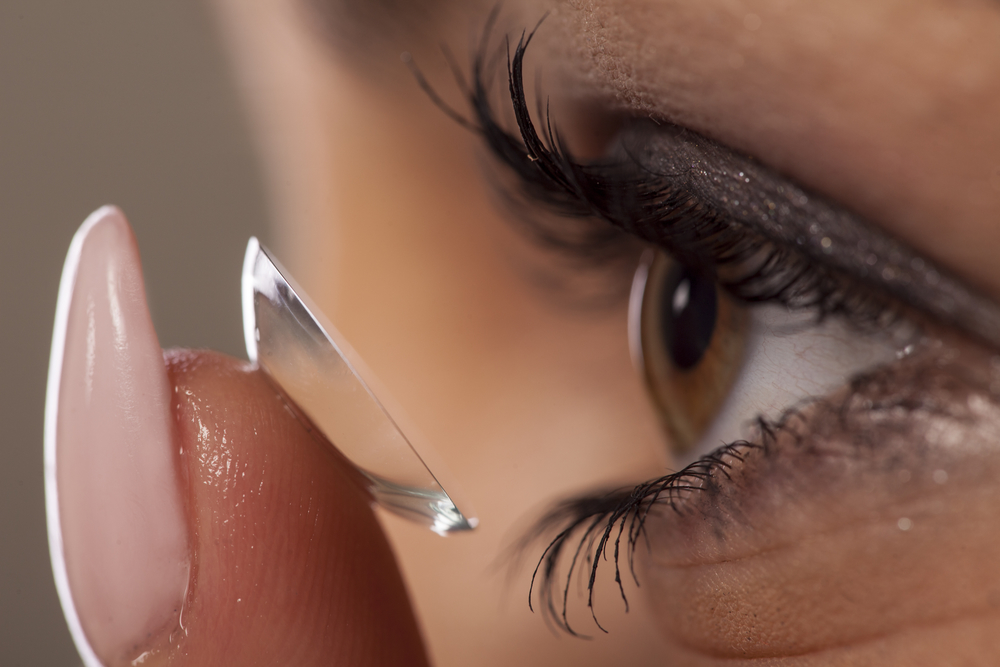
Contact lens fitting involves selecting a lens that provides appropriate vision while sitting and moving suitably on the eye
The process can involve:
- Reviewing the vision prescription
- Assessing the eyes
- Selecting an initial lens design
- Placing the lens on the eye when appropriate
- Assessing its position and movement
- Checking vision
- Evaluating comfort
- Making changes if required
The fitting process can differ according to the lens type and prescription.
What Is a Trial Contact Lens?
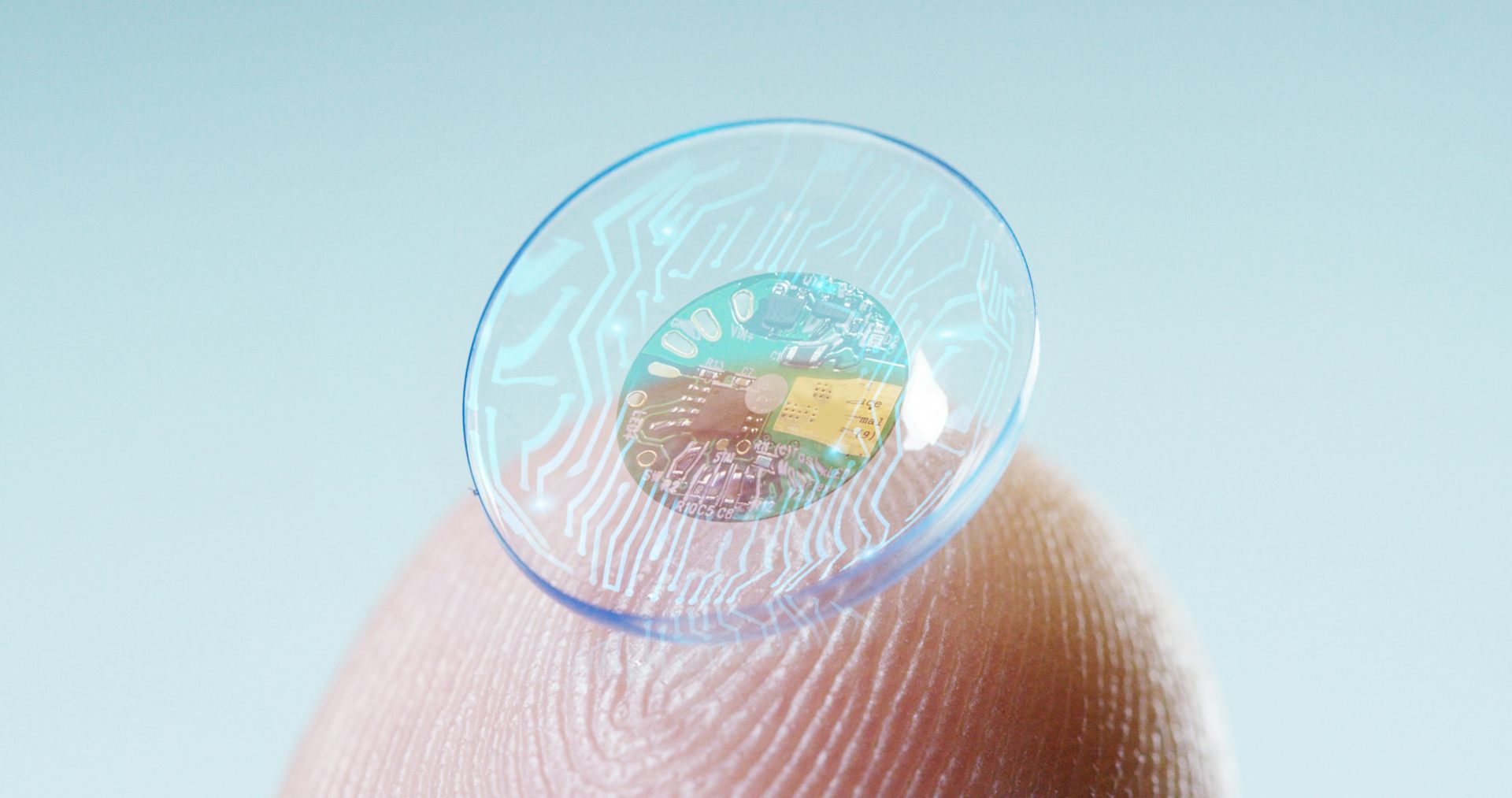
A trial contact lens may be used to assess how a particular lens performs on the patient's eye before finalising the lens choice.
The professional may evaluate:
- Visual clarity
- Lens movement
- Centrations
- Comforts
- Eye response
A trial lens can therefore provide practical information that cannot be determined from the prescription alone.
Why Is Lens Movement Checked?
A contact lens should interact appropriately with the eye during blinking and normal eye movement.
If the lens moves excessively, vision may fluctuate or comfort may be affected.
If the lens does not move appropriately, the fit may also need review.
The ideal movement depends on the particular lens design, so it should be assessed by the fitting professional.
What Does Lens Centration Mean?
Lens centration refers to how appropriately the contact lens remains positioned over the eye.
Good centration can contribute to stable vision and comfortable lens wear.
Centration can be influenced by:
- Lens design
- Corneal shape
- Lens dimensions
- Eyelid interaction
- Individual eye anatomy
This is one reason contact lens fitting cannot be based on power alone.
Why Is Corneal Shape Important?
The cornea forms the front optical surface of the eye.
Its shape can influence how a contact lens sits on the eye.
During contact lens assessment, the eye-care professional may consider corneal characteristics when selecting an appropriate lens design.
This can be particularly relevant for patients with:
- Astigmatism
- Irregular corneal shape
- Previous corneal procedures
- Specific contact lens requirements
How Is the Lens Type Chosen?
The choice of contact lens depends on several factors rather than a single prescription number.
The professional may consider:
- Refractive error
- Corneal characteristics
- Eye-surface health
- Tear-film condition
- Wearing frequency
- Work environment
- Age
- Lifestyle
- Previous lens experience
For example, someone who needs lenses occasionally may have different requirements from a person who intends to wear them every day.
Which Contact Lens Is Suitable for Astigmatism?
Patients with astigmatism may require a lens designed specifically to provide the required correction.
Toric contact lenses are commonly used for suitable astigmatic prescriptions.
Their fitting can require attention to lens orientation and stability because the optical correction needs to remain appropriately positioned.
Which Contact Lens Is Suitable for Presbyopia?
Patients with presbyopia may require correction for both distance and near vision.
Depending on the individual, options may include:
- Multifocal contact lenses
- Other specialised contact lens strategies
- A combination of contact lenses and spectacles
The appropriate option depends on the patient's prescription, eye health and visual priorities.
Can Contact Lenses Be Used for High Prescriptions?
Contact lenses can provide correction for a range of prescriptions, but the suitable lens type depends on the individual eye.
Patients with higher powers may require more specialised assessment to determine:
- Appropriate lens design
- Optical power
- Fit
- Comfort
- Visual quality
The prescription should be established through professional assessment rather than self-selecting a lens based on an old spectacle power.
Can Contact Lenses Be Used After Eye Procedures?
Contact lens suitability after an eye procedure depends on the procedure performed and the condition of the eye.
Patients who have undergone procedures involving the:
- Cornea
- Lens
- Retina
- Other eye structures
should discuss contact lens use with their ophthalmologist or contact lens professional before starting or restarting lens wear.
How Long Does It Take to Adapt to Contact Lenses?
Adaptation varies from person to person.
A first-time wearer may initially notice:
- Awareness of the lens
- Mild unfamiliarity
- Difficulty handling the lens
- Changes in comfort during the day
Adaptation can depend on the lens material, design, wearing schedule and individual eye characteristics.
Persistent discomfort should not simply be considered part of adaptation and should be assessed.
What If Vision Fluctuates While Wearing Contact Lenses?
Intermittent blur can have several possible causes.
It may be associated with:
- Lens movement
- Tear-film changes
- Lens deposits
- Incorrect prescription
- Lens dryness
- Poor fit
- Changes in the eye
The appropriate response is to have the lens and eye assessed rather than repeatedly changing the power yourself.
Why Do Contact Lenses Sometimes Feel Dry?
Contact lens discomfort can occur when the eye surface does not remain adequately lubricated during lens wear
Dryness may be influenced by:
- Long screen use
- Air-conditioned environments
- Reduced blinking
- Environmental conditions
- Lens material
- Wearing duration
- Existing dry-eye symptoms
If dryness becomes persistent, the lens type and wearing routine may need professional review.
Can Screen Use Affect Contact Lens Comfort?
Extended screen use can reduce blinking frequency in some people, which may contribute to ocular-surface discomfort.
Contact lens wearers who spend long periods using:
- Computers
- Mobile phones
- Tablets
- Digital displays
may notice increased dryness or lens awareness.
Regular blinking and appropriate breaks can support visual comfort, while persistent symptoms should be assessed professionally.
Why Must Contact Lenses Be Replaced?
Contact lenses are designed according to specific replacement schedules.
Over time, lenses can accumulate:
- Deposits
- Protein
- Environmental contaminants
- Surface changes
Following the recommended replacement schedule helps maintain appropriate lens performance and hygiene.
The replacement interval depends on the type of lens prescribed.
What Is a Contact Lens Replacement Schedule?
A replacement schedule specifies how frequently a particular contact lens should be discarded and replaced with a new lens.
Depending on the lens, it may be:
- Daily disposable
- Frequent replacement
- Monthly
- Another manufacturer-specified schedule
Patients should follow the schedule given for their specific lens rather than extending its use because the lens still appears usable.
How Should Reusable Contact Lenses Be Stored?
Reusable contact lenses should be stored according to the instructions provided for the prescribed lens and care system.
Good practices include:
- Using the recommended lens solution
- Keeping the storage case clean
- Replacing the case as advised
- Avoiding contamination of the solution
- Following the prescribed cleaning routine
Water should not be substituted for appropriate contact lens solution.
Why Should You Avoid Using Tap Water With Contact Lenses?
Contact lenses should not be exposed unnecessarily to tap water.
Water can contain microorganisms that may pose a risk when introduced to the eye, particularly when trapped beneath a contact lens.
This is why appropriate contact lens solution and recommended cleaning practices are important.
Can You Reuse Contact Lens Solution?
Used solution should not simply be topped up with fresh solution.
The lens-care instructions provided for the specific solution should be followed.
Using fresh solution as recommended helps maintain the intended cleaning and storage process.
How Often Should a Contact Lens Case Be Replaced?
Contact lens cases can become contaminated over time.
The case should be maintained and replaced according to the instructions provided by the lens-care professional or solution manufacturer.
Keeping the case clean is part of responsible contact lens hygiene.
What If the Lens Feels Like Something Is Stuck in the Eye?
A persistent foreign-body sensation can indicate that:
- The lens is displaced
- The lens is damaged
- There is a deposit
- The eye is irritated
- The lens is unsuitable
- Another eye-surface problem is present
Remove the lens if advised and seek professional assessment if the sensation persists.
What If the Contact Lens Falls Out?
If a lens falls out, do not automatically put it back into the eye.
The lens should be handled according to the prescribed care instructions.
If the lens has become contaminated, damaged or dried out, it may need to be discarded depending on the lens type.
What If a Contact Lens Tears?
A damaged contact lens should not be worn.
A torn or damaged lens can cause discomfort and may irritate the eye.Use a replacement lens according to the prescribed schedule and seek professional advice if the problem happens repeatedly.
What If the Contact Lens Is Uncomfortable in One Eye?
If one eye is consistently uncomfortable while the other eye feels normal, the issue should be assessed rather than ignored.
Possible factors include:
- Different corneal characteristics
- Lens fit
- Dryness
- Prescription
- Lens damage
- Eye-surface irritation
Each eye may have different requirements.
What If Contact Lenses Become Cloudy?
Cloudy vision through a contact lens can occur for different reasons, including:
- Lens deposits
- Dryness
- Lens contamination
- Incorrect fit
- Changes in the eye
The lens should be handled according to the prescribed care routine, and persistent cloudiness should be assessed.
Why Is Follow-Up Important After Contact Lens Fitting?
A contact lens may feel comfortable initially but behave differently during longer periods of wear.
Follow-up can help assess:
- Vision
- Comfort
- Lens movement
- Eye-surface response
- Wearing tolerance
- Suitability of the replacement schedule
This can be particularly useful for first-time wearers and patients using specialised lens designs.
When Should a Contact Lens Prescription Be Rechecked?
A prescription review may be appropriate if:
- Vision becomes less clear
- You need to squint to see
- One eye sees differently
- Your spectacle prescription has changed
- Contact lenses become uncomfortable
- Your wearing pattern changes
Do not increase or decrease contact lens power without professional assessment.
Can You Switch Contact Lens Brands Yourself?
It is better not to assume that two contact lenses with the same power are interchangeable.
Different lenses can have differences in:
- Material
- Base curve
- Diameter
- Oxygen transmission
- Surface characteristics
- Design
A different brand or model may therefore require a new fitting or professional assessment.
Contact Lens Care in Thiruvallur
Patients looking for a contact lens clinic in Thiruvallur should consider not only lens availability but also whether the service includes appropriate examination, fitting and follow-up.
Deepam Eye Hospital's optical service describes contact lens fitting along with eye examination and prescription assessment, this allows the contact lens selection process to be connected with the patient's broader visual requirements.
A Practical Contact Lens Journey
A contact lens experience can be approached through:
- Eye assessment
- Prescription determination
- Lens selection
- Trial fitting
- Vision and comfort check
- Final lens selection
- Care instructions
- Follow-up
The exact steps may differ depending on the lens type and individual eye.
When Should You Stop Wearing Contact Lenses?
Contact lens wear should be stopped and professional advice sought when there is significant or unusual:
- Eye pain
- Redness
- Light sensitivity
- Sudden reduction in vision
- Discharge
- Excessive watering
- Persistent discomfort
These symptoms can indicate an eye problem that needs assessment.
How to Decide Whether Contact Lenses Suit Your Lifestyle
Contact lenses can be useful when spectacles are inconvenient for particular activities, but they require consistent hygiene and responsible wearing habits.
They may be considered by people who:
- Prefer an alternative to spectacles
- Participate in sports or active hobbies
- Need unobstructed peripheral vision for certain activities
- Prefer contact lenses for appearance
- Want different options for work or social situations
The decision should take into account not only the prescription but also whether the person can follow the required lens-care routine.
Contact Lenses for Work and Professional Use
For some occupations, contact lenses may provide a practical alternative to spectacles.
A contact lens assessment can consider the working environment, including:
- Air-conditioned offices
- Dusty environments
- Long screen hours
- Outdoor work
- Frequent travel
- Extended periods of visual concentration
Someone working in a dry or dusty environment may have different lens-wearing considerations from someone working primarily indoors.
Contact Lenses for Special Occasions
Some spectacle wearers choose contact lenses occasionally for weddings, events, photographs or social occasions.
For occasional users, the lens type and replacement schedule should still be followed correctly.
A person should not purchase unfamiliar lenses at the last minute and wear them without appropriate assessment, particularly if they have never used contact lenses before.
Can Contact Lenses Be Used Every Day?
Some contact lenses are designed for regular daily wear, provided the patient is suitable for lens use and follows the prescribed wearing schedule
Daily wear does not mean that a lens can be worn indefinitely.
Safe use depends on:
- Lens type
- Wearing duration
- Replacement schedule
- Eye health
- Hygiene
- Professional instructions
If regular wear becomes uncomfortable, the lens fit or ocular surface may need reassessment
What Is the Difference Between Occasional and Regular Lens Wear?
Occasional wear means using contact lenses only for selected activities, while regular wear involves more frequent use.
The choice can influence which lens type is practical.
For example:
Occasional wearer → May prefer a convenient replacement option.
Frequent wearer → May require a lens and care routine suited to regular use.
The final choice should be based on the patient's eyes and professional assessment.
Can Contact Lenses Be Used Along With Spectacles?
Yes. Many people use both contact lenses and spectacles at different times.
For example, a person may use:
- Contact lenses during work or social activities
- Spectacles at home
- Spectacles when the eyes feel tired
- Prescription sunglasses outdoors
Having spectacles available is also useful if contact lens wear needs to be temporarily discontinued.
Why Should You Keep a Backup Pair of Glasses?
Contact lens wearers can benefit from having suitable spectacles available.
Glasses provide an alternative when:
- The eyes are irritated
- The lens is lost
- A lens becomes damaged
- The wearer has reached the recommended wearing time
- Contact lens use has been temporarily stopped
- The person is unwell
A backup pair can make it easier to avoid unnecessary lens wear when the eyes need a break.
How Should First-Time Wearers Approach Contact Lenses?
First-time users should become comfortable with the basic routine before increasing wearing time.
This includes learning:
- How to handle the lens
- How to insert it
- How to remove it
- How to identify the correct lens
- How to follow the prescribed care routine
- When to discard the lens
Patients should follow the instructions provided during their fitting rather than relying on informal advice.
What Should You Do If You Lose a Contact Lens?
If a lens is lost, do not use another person's lens as a replacement.
If it is a reusable lens and can be safely recovered, it should be handled according to the prescribed cleaning and storage instructions.
If the lens is damaged, contaminated or its condition is uncertain, replacement may be necessary.
What If Your Contact Lens Feels Fine but Your Eye Looks Red?
Redness should not be ignored simply because the lens feels comfortable.
Redness may have different causes, including irritation or an eye-surface problem.
If redness persists or is accompanied by pain, light sensitivity, discharge or reduced vision, contact lens wear should be stopped and professional assessment sought.
Can Contact Lens Wearers Use Eye Drops?
Some eye drops may be compatible with contact lenses, while others may require the lenses to be removed before use.
Patients should use only drops that are appropriate for their situation and follow the instructions provided by their eye-care professional or the product manufacturer.
Do not assume that every eye drop is suitable for use while wearing contact lenses.
What If Your Contact Lens Prescription Changes?
If your vision changes, the contact lens prescription may need to be reassessed.
A change in spectacle prescription does not necessarily mean that a contact lens can simply be replaced with the same numerical power.
The professional may need to review:
- Refractive power
- Lens design
- Fit
- Corneal characteristics
- Visual performance
Can Everyone Wear Contact Lenses?
No. Contact lenses are not suitable for every person at every stage of life or for every eye condition.
Suitability can be affected by:
- Certain ocular-surface conditions
- Active eye infections
- Severe dryness
- Corneal problems
- Poor lens hygiene
- Inability to follow wearing instructions
- Certain medical or ocular conditions
The decision should be made after an appropriate assessment.
What If You Have Dry Eyes?
People with dry-eye symptoms may experience reduced comfort with contact lenses.
The eye-care professional may consider:
- Severity of dryness
- Tear-film stability
- Lens material
- Wearing duration
- Environmental factors
- Alternative vision-correction options
In some situations, spectacles may be more comfortable than contact lenses.
What If You Have Frequent Eye Allergies?
Allergy-related symptoms can make contact lens wear uncomfortable.
Patients with recurring itching, watering or redness should discuss these symptoms during their contact lens consultation.
Continuing to wear lenses despite significant inflammatory symptoms may worsen discomfort.
Should You Wear Contact Lenses During an Eye Infection?
Contact lenses generally should not be worn when the eye is infected or significantly inflamed unless specifically advised by an eye-care professional.
Continuing to wear lenses during an active eye problem can complicate the situation.
The appropriate time to restart lens use should be determined based on recovery.
Choosing Contact Lens Care in Thiruvallur
What Should You Look for in a Contact Lens Clinic?
When choosing a contact lens clinic in Thiruvallur, consider whether the service addresses the complete lens-wearing process rather than only selling lenses.
Useful components include:
- Eye examination
- Prescription assessment
- Lens selection
- Appropriate fitting
- Vision and comfort assessment
- Lens-care education
- Follow-up when required
This approach helps connect the contact lens with the health and characteristics of the eye.
Why Is Professional Fitting Especially Important for New Users?
A first-time wearer may not know whether a lens is fitting correctly or whether a particular sensation is normal.
Professional fitting helps establish:
Suitable lens
Appropriate position
Clear vision
Comfortable wear
Safe routine
It also gives the wearer an opportunity to learn correct handling and care practices.
Contact Lens Options at a Glance
| Contact Lens Type | Common Purpose | Key Consideration |
|---|---|---|
| Daily disposable | Convenient single-day use | A fresh lens is used each day and then discarded |
| Reusable soft lens | Regular lens wear | Requires appropriate cleaning, storage and replacement |
| Toric lens | Astigmatism correction | Lens orientation and stability are important |
| Multifocal lens | Distance and near correction | Visual expectations and adaptation should be discussed |
| Specialised lenses | Selected prescriptions or eye conditions | Require individual assessment and fitting |
This table provides general information only. The appropriate lens depends on the patient's prescription, eye health and professional fitting.
Dr. Vimala
Consultant Ophthalmologist
Dr. Vimala is a Consultant Ophthalmologist with interests in:
Areas of Interest
Her broader ophthalmic practice allows patients with visual concerns to receive appropriate eye assessment when symptoms require medical evaluation.
For contact lens users, however, contact lens prescription and fitting should be handled according to the patient's specific visual and ocular requirements. The doctor profile should not be interpreted as an additional claim of specialised contact-lens certification unless separately verified.
Contact Lens Clinic in Thiruvallur
Where can I get a contact lens prescription in Thiruvallur?
A contact lens prescription can be obtained after an appropriate eye examination and contact lens assessment at a suitable eye-care or optical service in Thiruvallur.
Where can I get contact lens fitting in Thiruvallur?
Patients looking for contact lens fitting in Thiruvallur can consult a professional optical service that provides eye examination, lens selection and fitting.
Can I use my spectacle power for contact lenses?
Not always. Contact lens prescriptions can differ from spectacle prescriptions because the lenses sit directly on the eye.
Are contact lenses suitable for everyone?
No. Eye health, tear-film condition, corneal characteristics, prescription and the ability to follow lens-care instructions all influence suitability.
Can I wear contact lenses every day?
Some lenses are designed for daily wear, but the appropriate wearing duration and replacement schedule must be followed for the specific lens prescribed.
Can I use contact lenses if I have astigmatism?
Yes, selected patients with astigmatism can use toric contact lenses. Proper assessment and fitting are important.
Can contact lenses correct both near and distance vision?
Certain multifocal contact lenses are designed to provide correction for more than one viewing distance. Suitability varies between patients.
What should I do if my contact lenses cause redness?
Remove the lenses and seek professional advice, particularly if redness is persistent or accompanied by pain, light sensitivity, discharge or reduced vision.
Frequently Asked Questions
Yes. An eye examination helps determine your prescription and whether your eyes are suitable for contact lens wear.
A contact lens is selected based on the prescription and eye characteristics and then assessed for vision, position, movement and comfort.
It is better to obtain contact lenses through an appropriate prescription and fitting, especially when using lenses for the first time or changing lens types.
Neither is universally better. Daily disposables and reusable lenses have different wearing and care requirements. The appropriate option depends on the individual.
Only lenses specifically prescribed for an approved overnight-wearing schedule should be worn overnight. Do not sleep in lenses unless your eye-care professional has advised that the particular lens is suitable.
It is preferable to avoid exposing contact lenses to water. Follow the hygiene guidance given for your specific lens.
The replacement interval depends on the lens type. Follow the prescribed or manufacturer-recommended schedule rather than extending lens use.
Not necessarily. Different brands can have different materials, dimensions and designs, so a change may require professional assessment.
Some people with mild symptoms may be able to wear selected lenses, while others may find them uncomfortable. Dry-eye severity and lens suitability should be assessed individually.
Remove the lenses and seek professional advice if the blur persists, especially if it occurs with pain, redness, light sensitivity or reduced vision.
Contact Lens Clinic in Thiruvallur at Deepam Eye Hospital
For patients searching for a contact lens clinic in Thiruvallur, contact lens prescription in Thiruvallur or contact lens fitting in Thiruvallur, Deepam Eye Hospital provides contact lens services as part of its optical care.
The service includes eye examination, prescription assessment and contact lens fitting, with lens selection based on individual visual requirements.
The right lens should be selected after considering prescription, eye health, lens fit, lifestyle and wearing habits, rather than choosing solely on lens power.
Schedule a contact lens consultation to discuss your vision requirements and determine whether contact lenses are suitable for you.
Contact UsMedical Disclaimer
This page provides general information about contact lenses and does not replace an individual eye examination or professional advice. Contact lens suitability, prescription, fitting and wearing schedules vary between individuals. Contact lens wearers who develop significant pain, redness, light sensitivity, discharge, sudden blurred vision or reduced vision should stop lens wear and seek prompt ophthalmic assessment.
