- For appointment - Urapakkam (+91) 97906 97907 |
- For appointment - Thiruvallur (+91) 9789333005
Cornea Surgery in Thiruvallur
Cornea surgery in Thiruvallur may be considered when a corneal condition causes significant visual impairment, structural damage, persistent disease or does not respond adequately to non-surgical treatment.
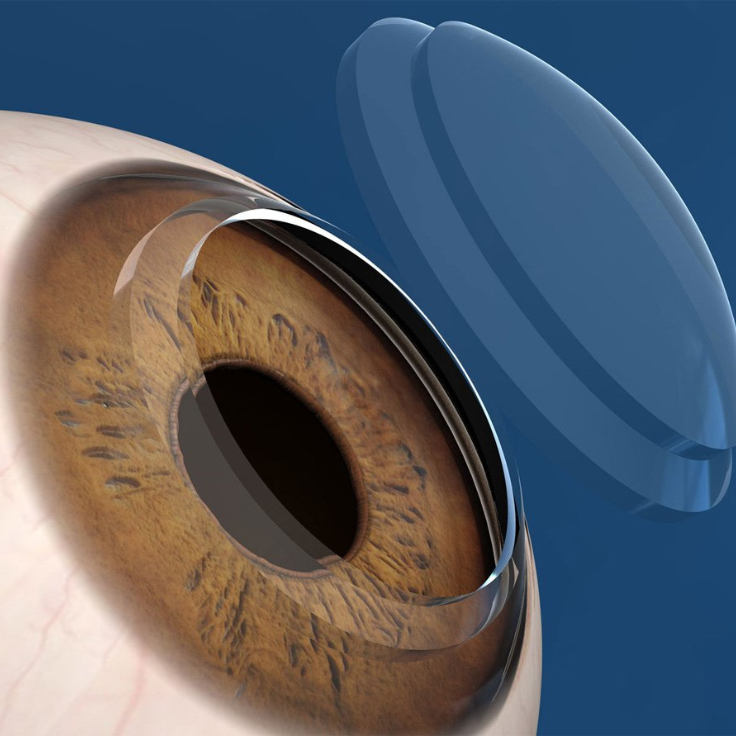
The cornea is the transparent front surface of the eye. It plays an important role in focusing incoming light and maintaining clear vision.
Conditions affecting the cornea can therefore cause problems such as:
- Blurred vision
- Distorted vision
- Light sensitivity
- Eye pain
- Redness
- Excessive watering
- Reduced visual clarity
- Difficulty tolerating contact lenses
Not every corneal problem requires surgery. Depending on the underlying condition, treatment may involve medicines, protective measures, contact lenses, procedures or surgery.
Deepam Eye Hospital lists Cornea Care as one of its ophthalmic services and describes the cornea as the transparent front portion of the eye involved in refraction.
What Does the Cornea Do?
The cornea forms the clear front surface of the eye and allows light to enter.
It also contributes significantly to the eye's focusing power.
Because of this, changes in corneal:
- Shape
- Transparency
- Thickness
- Smoothness
- Structural integrity
can affect the quality of vision.
A corneal condition may therefore affect vision even when other parts of the eye are healthy.
What Is Corneal Disease?
Corneal disease refers to conditions that affect the structure, clarity, shape or health of the cornea.
Different disorders can affect different parts of the cornea and may have very different causes.
Examples include:
- Keratoconus
- Corneal infections
- Corneal ulcers
- Corneal injuries
- Corneal scars
- Corneal dystrophies
- Corneal swelling
- Certain degenerative conditions
The appropriate treatment depends on the specific diagnosis.
Does Every Corneal Problem Need Surgery?
No.
Many corneal conditions can initially be managed without surgery.
Depending on the diagnosis, treatment may include:
- Prescription medicines
- Lubricating treatment
- Antimicrobial treatment when indicated
- Protective measures
- Contact lenses
- Specialised corneal lenses
- Monitoring
- Surgical procedures
Surgery is considered when the clinical condition and visual requirements justify an intervention.
What Symptoms May Require a Corneal Evaluation?
A cornea consultation in Thiruvallur may be appropriate if you experience:
- Persistent blurred vision
- Increasing distortion
- Unexplained reduction in vision
- Recurrent eye pain
- Significant light sensitivity
- Persistent redness
- Excessive watering
- Difficulty wearing contact lenses
- A visible corneal scar
- Previous corneal injury
- A diagnosed corneal condition
Some of these symptoms can also occur with conditions affecting other parts of the eye, so examination is important before assuming that the cornea is the cause.
Common Conditions That May Affect the Cornea
Keratoconus
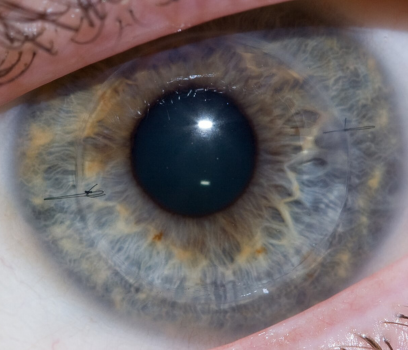
Keratoconus is a condition in which the cornea becomes progressively thinner and changes shape, often becoming more cone-like.
This change can cause:
- Increasing astigmatism
- Blurred vision
- Distorted vision
- Frequent prescription changes
- Difficulty obtaining clear vision with spectacles
- Difficulty tolerating ordinary contact lenses
Treatment depends on the severity and progression of the condition.
Corneal Ulcer
A corneal ulcer is an open lesion on the cornea that can occur with infection or other causes of corneal damage.
It can cause:
- Eye pain
- Redness
- Watering
- Light sensitivity
- Discharge
- Reduced vision
A suspected corneal ulcer requires prompt ophthalmic evaluation because corneal infections can progress rapidly.
Corneal Infection
A corneal infection can affect the transparency and structural integrity of the cornea.
Symptoms may include:
- Red eye
- Pain
- Light sensitivity
- Watering
- Discharge
- Reduced vision
Treatment depends on the cause of the infection. Antibiotic, antifungal, antiviral or other treatment may be required depending on the diagnosis.
Corneal infection should not be self-treated with leftover eye drops.
Corneal Scar
A corneal scar can develop after:
- Infection
- Injury
- Inflammation
- Surgery
- Other corneal conditions
A scar may interfere with the normally clear passage of light through the cornea.
The effect on vision depends on its location, depth and extent.
Not every corneal scar requires surgery.
Corneal Injury
An injury can damage the corneal surface or deeper corneal layers,
examples include injuries caused by:
- Foreign bodies
- Chemicals
- Accidental trauma
- Sharp objects
- Workplace exposure
The appropriate treatment depends on the type and severity of injury.
Chemical injuries to the eye require urgent medical attention.
How Is a Corneal Condition Diagnosed?
A cornea specialist in Thiruvallur may begin by understanding the patient's symptoms and previous eye history before performing a detailed examination.
Depending on the suspected condition, evaluation may include assessment of:
- Visual acuity
- Corneal surface
- Corneal shape
- Corneal thickness
- Corneal transparency
- Eye pressure where relevant
- Other structures of the eye
Additional diagnostic tests may be recommended when needed.
Why Is Corneal Mapping Useful?
Corneal mapping can provide information about the shape and curvature of the cornea.
It can be particularly useful when evaluating conditions involving:
- Irregular astigmatism
- Keratoconus
- Corneal shape abnormalities
- Contact lens fitting
- Surgical planning
The exact tests required depend on the suspected condition.
Why Is Corneal Thickness Important?
Corneal thickness can be relevant in the assessment of several corneal and eye conditions.
It may provide useful information when evaluating:
- Keratoconus
- Corneal structural changes
- Certain surgical procedures
- Other conditions requiring assessment of corneal integrity
A thickness measurement alone does not establish a diagnosis; it must be interpreted alongside the clinical examination.
What Is Corneal Surgery?
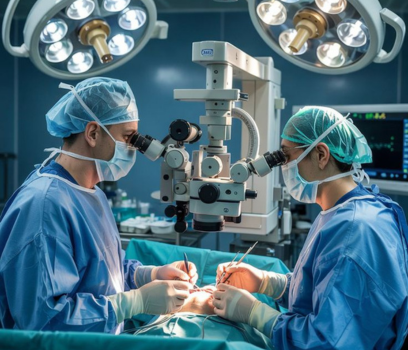
Corneal surgery refers to procedures performed to treat structural, optical or disease-related problems involving the cornea.
The appropriate procedure varies significantly depending on the diagnosis.
Possible approaches can include:
- Procedures intended to strengthen the cornea
- Removal of abnormal or diseased tissue
- Treatment of selected corneal scars
- Corneal transplantation
- Other specialised corneal procedures
The surgeon determines the appropriate approach after examining the cornea.
What Is Corneal Transplant Surgery?
Corneal transplant surgery replaces some or all of the diseased corneal tissue with healthy donor corneal tissue.
A transplant may be considered for selected patients when the cornea is severely damaged or its clarity or structure cannot be adequately restored through other treatments.
Not every patient with a corneal disorder needs a transplant.
The type of transplant depends on which corneal layers are affected.
Why Is the Type of Corneal Transplant Important?
The cornea consists of several layers, and different diseases may predominantly affect different layers.
As a result, corneal transplantation can involve different surgical approaches.
The surgeon determines the appropriate technique based on:
- The location of the disease
- Corneal thickness
- Structural damage
- Corneal clarity
- Previous treatment
- Overall eye health
This is why the term "cornea transplant" alone does not describe the complete surgical plan.
Does Keratoconus Always Require Surgery?
No.
Treatment depends on the severity and progression of keratoconus.
Some patients may initially be managed with:
- Spectacles
- Specialised contact lenses
- Regular monitoring
If the condition is progressing, a corneal procedure may be considered to help stabilise the cornea.
The treatment decision requires appropriate corneal evaluation.
What Is Corneal Cross-Linking?
Corneal cross-linking is a procedure intended to strengthen the corneal structure and reduce the risk of further progression in selected patients with corneal ectatic disorders such as progressive keratoconus.
The procedure does not simply replace the cornea.
Its purpose and expected benefit are different from corneal transplantation.
Whether cross-linking is appropriate depends on evidence of progression, corneal characteristics and the patient's clinical situation.
Can Cornea Surgery Restore Clear Vision?
The potential improvement depends heavily on the underlying condition.
Vision can be influenced by:
- Severity of corneal disease
- Location of the corneal abnormality
- Retinal health
- Optic-nerve health
- Existing refractive error
- Previous eye treatment
For this reason, no corneal surgery should be presented as guaranteeing a specific level of vision.
The ophthalmologist should explain the expected benefits and limitations after evaluating the eye.
Can Corneal Surgery Reduce the Need for Contact Lenses?
In selected corneal conditions, treatment may improve corneal shape or clarity and potentially change the patient's need for specialised contact lenses.
However, this varies significantly between conditions.
Some patients may continue to need spectacles or contact lenses even after a corneal procedure.
When Should You Seek a Cornea Specialist?
A cornea specialist in Thiruvallur may be appropriate when a patient has a diagnosed or suspected condition involving the cornea, particularly when symptoms persist despite routine vision correction.
Specialist evaluation can be useful for:
- Keratoconus
- Recurrent corneal problems
- Corneal infections
- Corneal scars
- Unusual astigmatism
- Corneal injuries
- Corneal swelling
- Problems with contact lens tolerance
- Conditions potentially requiring corneal surgery
Cornea Surgery Hospital in Thiruvallur
Patients searching for a cornea surgery hospital in Thiruvallur can seek an ophthalmic evaluation at Deepam Eye Hospital's Thiruvallur location.
The hospital lists Cornea Care among its ophthalmic services, and its official contact page lists the Thiruvallur branch at No. 77/1, C.V. Naidu Salai, Thiruvallur.
The appropriate treatment should be determined after evaluating the patient's corneal condition rather than choosing surgery based solely on symptoms.
Why Early Corneal Assessment Matters
Some corneal disorders can progress over time.
An early assessment can help determine:
- What condition is affecting the cornea
- Whether the condition is stable or changing
- Whether vision can be improved with non-surgical correction
- Whether a procedure may be appropriate
- Whether regular monitoring is required
This is particularly relevant for conditions such as keratoconus, where identifying progression can influence treatment decisions.
Cornea Care in Thiruvallur: From Diagnosis to Treatment
A typical pathway may involve:
From Symptoms to Follow-Up
Symptoms or Vision Change
Corneal Examination
Diagnostic Testing
Diagnosis
Treatment Discussion
Monitoring or Procedure
Follow-Up
Not every patient will require surgery.
The treatment plan should be based on the condition affecting the cornea, its severity and the patient's visual needs.
When Is a Cornea Consultation Important?
Consider a cornea consultation in Thiruvallur if you have persistent or unexplained changes in vision, recurrent corneal problems, a known corneal disorder or difficulty obtaining satisfactory vision with conventional spectacles or contact lenses.
A detailed examination can help determine whether the issue is related to the cornea or another part of the eye.
How Is a Corneal Surgery Plan Decided?
A corneal procedure should be selected according to the specific corneal problem, not simply because vision is blurred.
The ophthalmologist may consider:
- The diagnosis
- Location of corneal damage
- Corneal thickness
- Corneal shape
- Degree of visual impairment
- Progression of the condition
- Response to previous treatment
- Overall eye health
- Whether spectacles or contact lenses are still providing useful vision
Some patients may need monitoring or non-surgical treatment, while others may require a procedure or transplant.
What Tests May Be Done Before Corneal Treatment?
A detailed corneal assessment may involve different tests depending on the suspected condition.
These can include:
- Visual acuity testing
- Refraction
- Slit-lamp examination
- Corneal topography
- Pachymetry
- Eye-pressure assessment when indicated
- Assessment of the retina and other eye structures
Not every patient needs every test. The investigations should be selected according to the clinical findings.
What Is Corneal Topography?
Corneal topography maps the curvature and shape of the cornea.
It can be particularly useful when evaluating irregular corneal shape.
The information may assist in assessing conditions such as:
- Keratoconus
- Irregular astigmatism
- Certain corneal abnormalities
- Contact-lens fitting requirements
- Surgical planning
Changes in corneal shape can also be monitored over time when progression is suspected.
What Is Corneal Tomography?
Corneal tomography provides more detailed information about the three-dimensional structure of the cornea than surface curvature alone.
It can help the ophthalmologist assess:
- Anterior and posterior corneal surfaces
- Corneal thickness distribution
- Corneal shape
- Structural abnormalities
This can be particularly useful when evaluating suspected or established keratoconus.
What Is Pachymetry?
Pachymetry measures corneal thickness.
Corneal thickness can be relevant when assessing certain corneal disorders and when planning selected procedures.
A thickness measurement should always be interpreted together with the rest of the examination rather than considered as an independent diagnosis.
Treatment Planning for Keratoconus
How Is Keratoconus Monitored?
Keratoconus may require periodic monitoring of vision and corneal shape.
Follow-up assessments can compare:
- Vision
- Refraction
- Corneal curvature
- Corneal thickness
- Corneal topography or tomography
If scans show that the cornea is continuing to change, the ophthalmologist may discuss treatment options.
Moorfields Eye Hospital notes that corneal cross-linking is generally considered when corneal scans demonstrate ongoing deterioration.
When Is Corneal Cross-Linking Considered?
Corneal cross-linking (CXL) is primarily intended to strengthen and stabilise a weakening cornea and is used for selected patients with progressive keratoconus.
It is not simply a procedure to improve spectacle power.
The decision may depend on:
- Evidence of progression
- Corneal thickness
- Corneal shape
- Age
- Vision
- Overall corneal condition
The main purpose is to reduce or halt further progression rather than guarantee improved vision.
How Does Corneal Cross-Linking Work?
Corneal cross-linking uses riboflavin (vitamin B2) and controlled ultraviolet light to strengthen bonds within the corneal tissue.
In commonly used epi-off techniques, the surface epithelial layer is removed, riboflavin drops are applied, and ultraviolet light is then used to activate the treatment.
A bandage contact lens may be placed afterward while the surface heals.
The exact technique and treatment protocol can vary according to the clinical situation.
Is Cross-Linking the Same as a Corneal Transplant?
No.
Cross-linking and corneal transplantation have different purposes.
Cross-linking
aims to strengthen and stabilise a weakening cornea, particularly in selected progressive keratoconus cases.
Corneal transplant:
replaces diseased corneal tissue with donor tissue when the cornea is sufficiently damaged that transplantation is appropriate.
Cross-linking therefore does not replace the cornea.
What Happens During Corneal Cross-Linking?
The exact protocol varies, but a commonly used approach involves:
Anaesthetic Drops
Corneal Surface Preparation
Riboflavin Application
UV-Light Exposure
Bandage Contact Lens
Follow-Up
The procedure is generally performed as a day-case treatment.
Patients should receive specific instructions regarding eye drops, pain control and follow-up from the treating ophthalmologist.
Corneal Transplant Surgery
When May a Corneal Transplant Be Needed?
A corneal transplant may be considered when significant corneal damage or disease cannot be adequately managed with other treatments or when vision remains substantially impaired despite appropriate correction.
Possible situations include:
- Advanced keratoconus
- Severe corneal scarring
- Certain corneal dystrophies
- Significant corneal swelling
- Severe corneal damage after infection
- Certain corneal injuries
A transplant is not automatically required for every corneal disease.
Are All Corneal Transplants the Same?
No. Different corneal transplant techniques replace different portions of the cornea.
Broadly, transplantation may involve:
- The full thickness of the cornea
- The front or middle layers
- The innermost layer
The appropriate technique depends on which part of the cornea is diseased.
This layer-specific approach can allow the surgeon to replace affected tissue while preserving healthy corneal tissue when clinically appropriate.
What Is a Full-Thickness Corneal Transplant?
A full-thickness corneal transplant replaces the entire thickness of the central cornea with donor tissue.
It may be considered when disease affects multiple corneal layers or when a partial-thickness procedure is not appropriate.
The surgical plan depends on the location and extent of corneal damage.
What Is a Partial-Thickness Corneal Transplant?
A partial-thickness transplant replaces only the affected layers of the cornea.
The exact technique depends on which layer is diseased.
Potential advantages of an appropriate partial-thickness approach can include preserving healthier corneal tissue, but suitability depends entirely on the underlying disease.
The surgeon determines whether a partial or full-thickness procedure is appropriate.
Why Does the Type of Corneal Transplant Matter?
Different transplant procedures have different:
- Surgical techniques
- Recovery patterns
- Follow-up requirements
- Risks
- Visual rehabilitation timelines
For example, NHS guidance notes that visual recovery can vary substantially depending on whether the inner layer, outer and middle layers, or the whole cornea has been replaced.
Preparing for Corneal Surgery
What Should You Tell the Corneal Surgeon Before Surgery?
Patients should provide information about:
- Previous eye surgery
- Previous corneal infections
- Contact lens use
- Current eye drops
- Previous eye injuries
- Medical conditions
- Allergies
- Previous problems with anaesthesia
- Existing glaucoma or retinal conditions
This information can influence surgical planning and post-operative care.
Why May Contact Lens Wear Need to Be Stopped Before Corneal Testing?
Contact lenses can temporarily affect the shape of the cornea.
This can influence certain measurements and scans.
For this reason, patients may be instructed to stop wearing particular types of contact lenses before corneal mapping or surgical assessment.
The required period depends on the lens type and the test being performed.
Patients should follow the specific discontinuation period provided by their eye-care professional.
What Can You Expect After Corneal Cross-Linking?
Following cross-linking, patients may experience:
- Eye discomfort
- Watering
- Redness
- Light sensitivity
- Blurred vision
- A gritty sensation
These symptoms are particularly common during the early healing period when the corneal surface is recovering.
The treating ophthalmologist will prescribe the appropriate eye drops and follow-up schedule.
How Quickly Does Vision Recover After Cross-Linking?
Vision does not necessarily become clearer immediately after cross-linking.
The corneal surface may initially be blurred or hazy while healing.
Vision can fluctuate for weeks or months as the cornea stabilises. The primary objective of cross-linking is to stabilise progressive corneal disease, not to guarantee an immediate improvement in visual acuity.
When Can Contact Lenses Be Worn After Cross-Linking?
The timing depends on:
- Type of contact lens
- Healing of the corneal surface
- Surgical technique
- Follow-up findings
Contact lens wear should only be restarted when the treating ophthalmologist confirms that the cornea has healed sufficiently.
Do not restart contact lenses simply because discomfort has reduced.
What Happens After a Corneal Transplant?
After corneal transplantation, patients generally require prolonged follow-up.
Treatment can include:
- Prescribed eye drops
- Eye protection
- Monitoring of graft health
- Monitoring for rejection
- Management of astigmatism
- Assessment of visual recovery
Visual rehabilitation can take considerably longer than recovery from many routine eye procedures.
Does Vision Become Clear Immediately After a Corneal Transplant?
No. Visual recovery after corneal transplantation can be gradual.
The timeline depends on:
- Type of transplant
- Healing
- Corneal shape
- Sutures where applicable
- Astigmatism
- Health of the rest of the eye
NHS guidance notes that visual recovery can range from months to substantially longer periods depending on the transplant technique.
Why Are Eye Drops Important After Corneal Surgery?
Eye drops may be prescribed to:
- Control inflammation
- Reduce infection risk
- Support healing
- Reduce the risk of graft rejection after transplantation
The exact medication and duration depend on the procedure.
Patients should use prescribed drops according to the surgeon's instructions and should not stop long-term treatment without medical advice.
Can You Rub the Eye After Corneal Surgery?
Eye rubbing should be avoided during recovery.
The healing cornea needs protection, and rubbing can cause unnecessary mechanical stress.
Patients should follow the surgeon's advice about:
- Eye protection
- Sleeping
- Washing
- Outdoor exposure
- Physical activity
Can You Swim After Corneal Surgery?
Swimming should generally be avoided during the early recovery period until the treating ophthalmologist confirms that it is safe.
The exact restriction depends on the procedure and healing status.
For corneal transplantation, NHS guidance advises avoiding swimming for at least a month.
What Is Corneal Graft Rejection?
Corneal graft rejection occurs when the body's immune system reacts against transplanted donor corneal tissue.
It can occur even after a period of apparently successful recovery.
Possible warning symptoms include:
- Redness
- Eye pain
- Light sensitivity
- Reduced or blurred vision
Prompt assessment is important because early treatment can improve the chance of controlling rejection.
When Should You Contact the Eye Hospital After Corneal Surgery?
Seek prompt ophthalmic advice if you develop:
- Increasing eye pain
- Increasing redness
- Sudden or worsening blurred vision
- Significant light sensitivity
- New discharge
- Sudden increase in floaters
- Flashes of light
- Any other sudden visual deterioration
These symptoms can have different causes and should be assessed rather than assumed to be part of normal recovery.
Why Is Long-Term Monitoring Important?
Some corneal conditions can continue to change after treatment.
Follow-up may be needed to monitor:
- Corneal shape
- Visual acuity
- Refraction
- Corneal thickness
- Graft health
- Eye pressure
- Other eye conditions
For keratoconus, repeated corneal scans can help determine whether the condition has stabilised following treatment.
Can You Still Need Glasses or Contact Lenses After Corneal Treatment?
Yes.
Corneal surgery does not necessarily eliminate the need for vision correction.
Patients may continue to require:
- Spectacles
- Rigid contact lenses
- Scleral lenses
- Other specialised correction
The need depends on the underlying disease, corneal shape and residual refractive error.
Even after cross-linking, patients commonly continue to need spectacles or contact lenses for vision correction.
For patients searching for cornea surgery in Thiruvallur, the appropriate treatment depends on whether the problem involves corneal shape, transparency, infection, scarring, structural weakness or another corneal disorder.
A patient may move through:
Corneal Assessment
Diagnostic Testing
Treatment Decision
Procedure When Indicated
Recovery
Follow-Up
Not every patient will require surgery, and different corneal conditions require different treatment strategies.
Deepam Eye Hospital lists Cornea Care among its ophthalmic services and has a Thiruvallur location at No. 77/1, C.V. Naidu Salai, Thiruvallur.
How Is the Right Corneal Treatment Chosen?
There is no single procedure that is suitable for every corneal condition. Treatment depends on what is affecting the cornea, how advanced it is and whether the condition is changing over time.
The ophthalmologist may consider:
- Cause of the corneal problem
- Location and depth of damage
- Corneal thickness
- Corneal shape
- Degree of vision loss
- Disease progression
- Previous treatment
- Overall eye health
In some cases, the most appropriate treatment may be observation or optical correction rather than surgery.
Can Corneal Problems Be Treated Without Surgery?
Yes. Depending on the diagnosis, treatment may involve non-surgical options before a procedure is considered.
These can include:
- Spectacles
- Specialised contact lenses
- Prescription eye drops
- Treatment for infection or inflammation
- Regular corneal monitoring
- Protective measures
The objective is to use the least invasive appropriate treatment while protecting the health and visual function of the eye.
Cornea Treatment Options at a Glance
| Corneal Treatment | Generally Considered For | Main Purpose | Does It Replace the Cornea? |
|---|---|---|---|
| Spectacles | Suitable refractive errors | Improve optical clarity | No |
| Specialised Contact Lenses | Irregular corneal shape or selected prescriptions | Improve the quality of vision | No |
| Corneal Cross-Linking | Selected progressive keratoconus | Strengthen and stabilise the cornea | No |
| Corneal Transplant | Selected advanced or severely damaged corneas | Replace diseased corneal tissue | Yes, partially or completely depending on technique |
| Medical Treatment | Certain infections, inflammation and surface disorders | Treat the underlying condition | No |
The table is for general information. The appropriate treatment must be determined after an individual corneal assessment.
Questions to Ask Before Corneal Surgery
What Is the Exact Corneal Diagnosis?
Before considering surgery, patients should understand what condition is affecting the cornea.
A diagnosis may involve:
- Keratoconus
- Corneal scar
- Corneal infection
- Corneal dystrophy
- Corneal swelling
- Corneal injury
- Another structural or surface disorder
Knowing the diagnosis helps patients understand why a particular treatment has been recommended.
Is the Corneal Condition Stable or Progressing?
This can be especially important in conditions such as keratoconus.
A single examination may show the current state of the cornea, while comparison with previous examinations can provide information about progression.
If progression is suspected, the ophthalmologist may recommend additional monitoring or discuss treatment intended to stabilise the condition.
What Is the Main Goal of the Recommended Procedure?
Different procedures have different objectives.
For example:
- Cross-linking is intended primarily to strengthen and stabilise a weakening cornea.
- Corneal transplantation is intended to replace diseased corneal tissue when transplantation is clinically appropriate.
Understanding the purpose of the procedure helps patients develop realistic expectations.
Will I Still Need Glasses After Cornea Surgery?
Possibly.
Even when a corneal procedure is successful, the patient may still have:
- Residual refractive error
- Astigmatism
- Irregular corneal shape
- Other eye conditions affecting vision
Therefore, corneal surgery should not automatically be described as a way to eliminate spectacles or contact lenses.
Can Cornea Surgery Improve Distorted Vision?
It can, depending on the underlying condition and treatment.
Distorted vision caused by an irregular corneal shape may require specialised optical correction or a corneal procedure.
The amount of visual improvement varies considerably between patients and depends on the health of the entire visual system.
Corneal Care for Keratoconus
Patients with keratoconus may require a long-term approach rather than a single treatment.
Management can include:
- Monitoring corneal changes
- Spectacle correction in suitable cases
- Specialised contact lenses
- Cross-linking when progression is established and treatment is appropriate
- Other procedures in advanced cases
Regular assessment can help determine whether the condition remains stable.
Corneal Care After a Previous Infection
A previous corneal infection can sometimes leave a scar or irregularity even after the infection has resolved.
If vision remains affected, the ophthalmologist may assess:
- Location of the scar
- Depth of the scar
- Corneal shape
- Visual acuity
- Other ocular structures
Treatment depends on the remaining corneal damage and its effect on vision.
Corneal Care After an Eye Injury
Patients with previous corneal trauma may develop changes in corneal clarity or shape.
The treatment plan depends on whether the injury affected:
- The surface
- Deeper corneal layers
- Corneal structure
- Other parts of the eye
Previous trauma should always be mentioned during a corneal consultation.
Can Corneal Conditions Affect Driving?
Corneal irregularity, scarring or reduced clarity can interfere with visual tasks such as driving.
Problems may become more noticeable in:
- Low light
- Night-time conditions
- Glare
- High-contrast situations
Whether a person can safely drive depends on their actual visual function and applicable driving requirements.
Can Corneal Disease Affect Computer Use?
Corneal conditions can cause blurred or fluctuating vision, which may make prolonged screen use uncomfortable.
Patients may notice:
- Eye fatigue
- Difficulty maintaining focus
- Increased glare
- Dryness
- Variable clarity
The appropriate solution depends on whether the underlying problem is corneal disease, dry eye, refractive error or another condition.
Can Corneal Problems Affect Contact Lens Wear?
Yes.
Changes in corneal shape or surface health can make ordinary contact lenses uncomfortable or ineffective.
Some patients may benefit from specialised lens designs, while others may require treatment of the underlying corneal condition first.
Contact lens suitability should be reassessed when the cornea changes.
What Should Patients Consider When Choosing a Cornea Clinic?
When looking for cornea treatment in Thiruvallur, patients can consider whether the centre provides an evaluation pathway that covers:
- Detailed eye examination
- Corneal assessment
- Appropriate diagnostic testing
- Discussion of non-surgical options
- Surgical evaluation where indicated
- Post-treatment monitoring
- Management of associated eye conditions
A comprehensive assessment is particularly important when the diagnosis is uncertain.
Why Is a Second Assessment Sometimes Useful?
Corneal conditions can be complex, especially when surgery is being considered.
A further assessment may help clarify:
- Diagnosis
- Disease progression
- Whether surgery is necessary
- Available treatment options
- Expected benefits and limitations
Patients should bring previous scans, prescriptions and treatment records whenever possible.
Dr. Vimala
Consultant Ophthalmologist
Dr. Vimala is a Consultant Ophthalmologist with interests in:
Areas of Interest
Her practice covers a range of ophthalmic concerns. Patients with suspected corneal disease can undergo appropriate eye evaluation to determine whether the condition requires medical management, monitoring, specialised optical correction or referral for a corneal procedure.
Note: No additional corneal-subspecialty qualification should be claimed unless it is separately verified.
Cornea Surgery in Thiruvallur
What is cornea surgery?
Cornea surgery refers to procedures used to treat selected problems involving the structure, clarity or function of the cornea. The appropriate procedure depends on the underlying condition.
Where can I get cornea treatment in Thiruvallur?
Patients looking for cornea treatment in Thiruvallur can seek an ophthalmic assessment at Deepam Eye Hospital's Thiruvallur location to determine the cause of their corneal problem and appropriate treatment.
Does every corneal condition require surgery?
No. Some corneal conditions can be managed with medicines, spectacles, specialised contact lenses or monitoring.
What is corneal cross-linking?
Corneal cross-linking is a procedure designed to strengthen and stabilise the cornea and is used for selected patients with progressive keratoconus.
Is corneal cross-linking the same as a corneal transplant?
No. Cross-linking strengthens the existing cornea, while a corneal transplant replaces diseased corneal tissue with donor tissue.
When is a corneal transplant needed?
A corneal transplant may be considered when significant corneal disease or damage cannot be adequately managed with other treatment options and transplantation is clinically appropriate.
Can keratoconus be treated without a transplant?
Yes. Depending on its severity and progression, keratoconus may be managed with monitoring, spectacles, specialised contact lenses or corneal cross-linking. Advanced cases may require other procedures.
Can corneal surgery restore normal vision?
The result depends on the underlying corneal disease and the health of the rest of the eye. No procedure can guarantee a specific visual outcome.
Will I need glasses after corneal surgery?
Possibly. Residual refractive error or irregular corneal shape may mean that spectacles or contact lenses remain necessary.
Is corneal surgery suitable for every patient?
No. Suitability depends on the diagnosis, corneal measurements, severity of disease, previous treatment and overall eye health.
Frequently Asked Questions
Corneal surgery may be considered for selected conditions involving severe scarring, structural damage, advanced corneal disease or other problems that cannot be adequately managed with non-surgical treatment.
It can be in selected cases. Treatment depends on whether the keratoconus is progressing and how significantly it affects the cornea and vision.
The primary purpose of cross-linking is to stabilise the cornea and reduce progression in appropriate cases. Improvement in vision is not guaranteed.
Recovery varies according to the procedure. Some corneal procedures have relatively short surface-healing periods, while visual recovery following transplantation can take much longer.
Corneal transplantation carries risks, including graft rejection and other complications. Long-term follow-up is important to monitor graft health.
Yes. Graft rejection can occur after transplantation, including after a significant period of apparently successful recovery. New redness, pain, light sensitivity or reduced vision should be assessed promptly.
Some patients may eventually use contact lenses, depending on the procedure, corneal healing and visual requirements. The timing and type should be determined by the treating eye-care professional.
Not necessarily. Treatment depends on the depth, location and cause of the scar. Some scars may be managed without surgery, while selected severe cases may require a procedure.
Yes. Certain corneal disorders, including keratoconus, can affect both eyes, although the severity may differ between them.
Consider a corneal evaluation for persistent blurred or distorted vision, recurrent corneal problems, unexplained corneal changes, keratoconus, significant corneal scarring or difficulty obtaining satisfactory vision with normal spectacles or contact lenses.
Cornea Surgery in Thiruvallur at Deepam Eye Hospital
For patients searching for cornea surgery in Thiruvallur, cornea treatment in Thiruvallur, cornea specialist in Thiruvallur or corneal surgery in Thiruvallur, Deepam Eye Hospital provides ophthalmic evaluation and lists Cornea Care among its services.
The Thiruvallur branch is listed at No. 77/1, C.V. Naidu Salai, Thiruvallur.
Patients can undergo an assessment to understand whether their corneal condition requires monitoring, optical correction, medical treatment or a surgical approach.
Book a cornea consultation in Thiruvallur to discuss your symptoms, diagnosis and available treatment options with an ophthalmologist.
Contact UsMedical Disclaimer
This page is intended for general educational purposes and does not replace an individual eye examination or medical advice. Corneal treatment and surgical suitability vary according to the diagnosis, corneal measurements, severity of disease and overall eye health. Surgical outcomes cannot be guaranteed. Patients experiencing sudden vision loss, severe eye pain, marked redness, significant light sensitivity, new discharge or sudden visual deterioration should seek prompt ophthalmic assessment.
